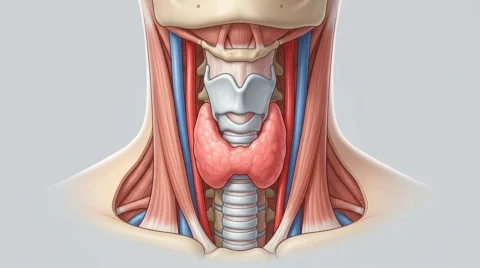

Prostate cancer is a major health concern for men worldwide. This disease starts in the prostate gland. The prostate is a small gland in males. It sits below the bladder and in front of the rectum. This gland produces seminal fluid, which nourishes sperm. Prostate cancer is one of the most common cancers in men.
The risk of this cancer increases with age. Millions of men live with this condition today. You can read more statistics on the American Cancer Society website. Early detection saves lives, so men must learn about this disease.
What Is Prostate Cancer?
Healthy cells grow and divide in a controlled way. Sometimes, cells change and grow out of control. Cancer is an abnormal cell growth. These abnormal cells take over the body’s normal cell function. They make it harder for the body to function properly.
The abnormal cells form a mass of tissue. Doctors call this mass a tumor. Not all tumors are cancerous. Some tumors are malignant and dangerous. Other tumors are benign, and benign tumors do not cause cancer. Patients must understand the difference between these two types of growths.
Benign Growths
Benign growths do not spread to nearby tissue. They do not travel to other parts of the body. Doctors can remove these growths with surgery. Sometimes, benign growths grow back slowly. However, they often do not grow back at all.
A common benign condition is benign prostatic hyperplasia. Doctors call this condition BPH. BPH causes the prostate gland to grow larger. This growth presses on the urethra. It causes urinary issues, but it does not turn into cancer. Men can find detailed information about BPH on the Centers for Disease Control and Prevention website.
Cancerous Growths
Cancerous growths are malignant. Prostate cancer is a malignant growth. These cells can invade nearby organs and tissues. They can spread to the bladder or the rectum. They can also enter the bloodstream or the lymph system. Then, they travel to distant parts of the body. Doctors call this process metastasis.
Prostate cancer cells often travel to the bones. They can also travel to the liver or the lungs. Surgeons can remove the main tumor, but the abnormal cells can still grow back. Prostate cancer can become life-threatening. This threat happens when the cancer spreads far beyond the prostate. Doctors call this advanced stage metastatic disease.
| Growth Type | Spreads to Other Organs | Grows Back After Removal | Life Threatening |
| Benign | No | Seldom | No |
| Malignant | Yes | Often | Yes |
Common Symptoms of Prostate Cancer
Early prostate cancer often causes no symptoms at all. The tumor is very small in the early stages. It does not press against the urethra, so the patient feels normal. Symptoms usually appear in later stages. The tumor grows larger, and it presses on the surrounding tissues.
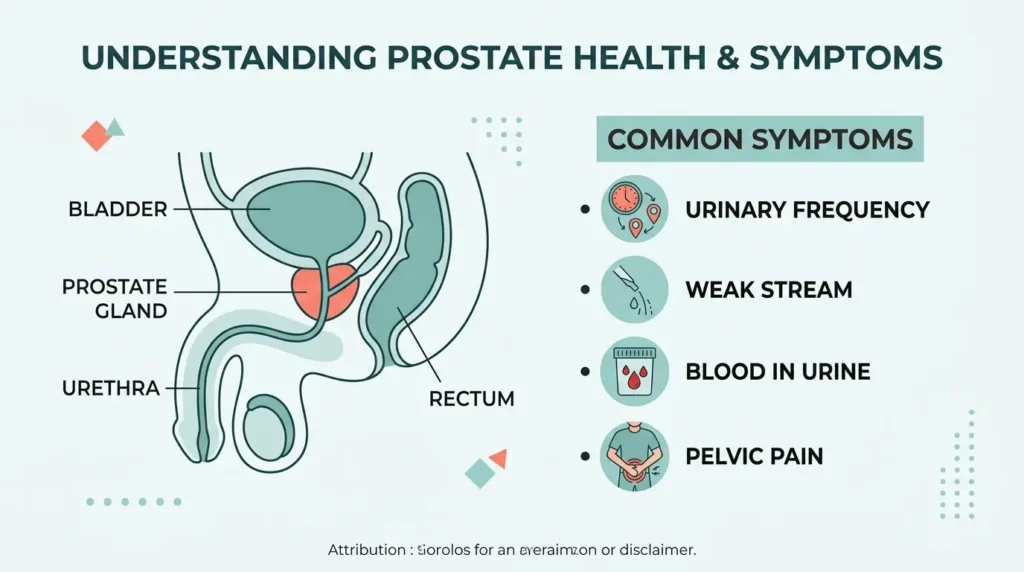
When symptoms do occur, they may include the following signs:
- Frequent urination: Men feel the need to urinate more often. This need happens especially at night. Doctors call this symptom nocturia.
- Urination difficulties: Men experience trouble starting the urine stream. They also find it hard to stop the flow of urine.
- Weak urine flow: The stream of urine becomes weak or slow. The flow may start and stop multiple times.
- Incomplete emptying: The patient feels that the bladder is still full after urination.
- Pain or burning: Men feel a burning sensation during urination.
- Blood in fluids: The patient notices blood in the urine. They may also find blood in the semen.
- Erectile dysfunction: The cancer affects nerves and blood vessels. Then, men struggle to get or maintain an erection.
- Deep body pain: The cancer spreads to the bones. Then, the patient feels constant pain in the hips, back, or pelvis.
- Unexplained weight loss: The body loses weight without changes in diet or exercise.
- Leg weakness: The tumor presses on the spinal cord. This pressure causes numbness or weakness in the legs.
Many of these symptoms match the symptoms of BPH. Infections can also cause similar signs. Men must see a doctor for an accurate diagnosis. Do not ignore these warning signs.
Risk Factors for Prostate Cancer
Scientists do not know the exact cause of prostate cancer. However, they identify several risk factors. A risk factor increases a person’s chance of developing the disease. Some risk factors are unchangeable, but men can manage risks through lifestyle choices.
Age
Age is the strongest risk factor for this cancer. Prostate cancer is rare in men under 40 years old. The damage to cell DNA accumulates over time. The risk rises rapidly after the age of 50. Most cases happen in men over the age of 65. The National Institutes of Health provides extensive data on age-related cancer risks.
Family History and Genetics
Family history plays a large role in prostate cancer risk. A man faces a higher risk if his father had the disease. A brother with prostate cancer also doubles the risk. The risk increases if family members received the diagnosis at a young age.
Certain inherited genetic changes raise the risk further. Mutations in the BRCA1 or BRCA2 genes increase the risk. These same genes cause breast and ovarian cancer in women. Men can inherit these genes from either parent.
Race and Ethnicity
Prostate cancer affects certain racial groups more than others. Black men develop prostate cancer more often than white men. Black men also face a higher risk of dying from the disease. They often get cancer at a younger age. Their tumors are often more aggressive. Asian American and Hispanic men have lower rates of prostate cancer. Scientists study these disparities, and they look for genetic and socioeconomic causes.
Diet and Lifestyle
Diet impacts the health of the prostate gland. A diet high in red meat increases the risk. Full-fat dairy products also raise the risk. These foods contain high amounts of saturated fats. Conversely, a diet rich in fruits and vegetables protects the prostate.
Obesity also influences the risk of advanced prostate cancer. Obese men may not have a higher risk of low-grade cancer. However, they develop aggressive forms of the disease more often. Regular exercise helps maintain a healthy weight. It also lowers inflammation in the body.
How Doctors Diagnose Prostate Cancer
Doctors use several tools to find and diagnose prostate cancer. Screening tests look for signs of cancer before symptoms appear. Diagnostic tests confirm the presence of cancer cells.
The PSA Blood Test

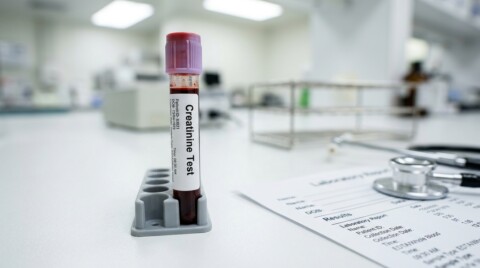
The Prostate-Specific Antigen test is a common screening tool. PSA is a protein. The prostate gland produces this protein naturally. A simple blood test measures the level of PSA.
High PSA levels can indicate prostate cancer. However, other conditions also raise PSA levels. BPH and prostate infections cause high PSA. A recent digital rectal exam can also raise the numbers. Therefore, a high PSA test does not give a final answer. Doctors compare PSA levels over time.
Digital Rectal Examination (DRE)
The digital rectal examination is a physical test. The doctor inserts a lubricated, gloved finger into the rectum. The doctor feels the back of the prostate gland. They check the size of the gland. They also feel for hard spots, lumps, or uneven areas. This test takes only a few seconds. It causes mild discomfort.
Imaging Scans
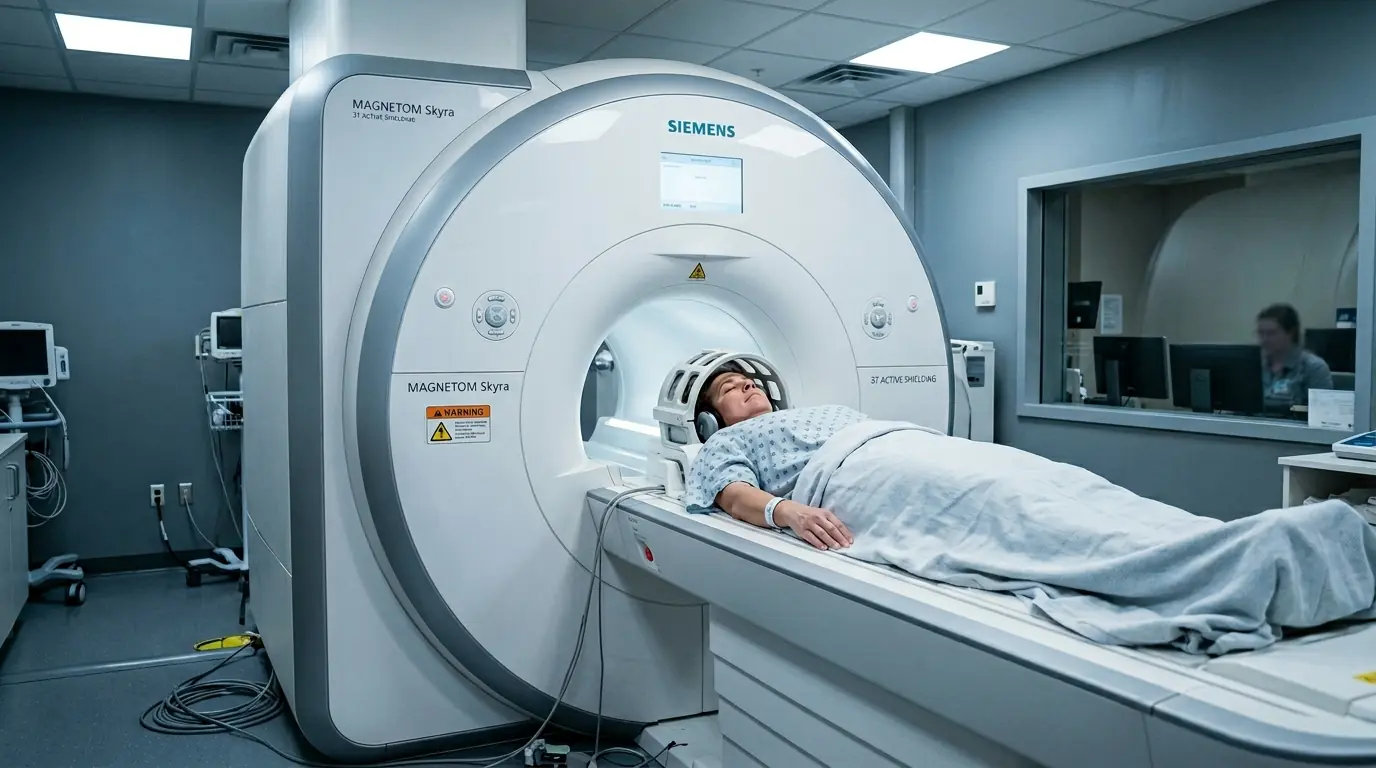
Doctors use imaging technology to look inside the body. Magnetic Resonance Imaging is a common tool. An MRI scan creates detailed pictures of the prostate. It shows the exact location of abnormal areas. Doctors also use transrectal ultrasound. An ultrasound probe goes into the rectum. It uses sound waves to create an image of the prostate gland.
Prostate Biopsy
A biopsy is the only way to confirm a prostate cancer diagnosis. The doctor uses a thin needle to collect tissue samples. They use ultrasound or MRI to guide the needle. The needle removes small cylinders of tissue from different areas of the prostate.
A pathologist examines these samples under a microscope. The pathologist looks for cancer cells. If they find cancer, they assign a Gleason score. The Gleason score measures the aggressiveness of the cancer cells. A higher score means the cancer grows and spreads quickly.
Treatment Options for Prostate Cancer
Treatment depends on many factors. Doctors consider the stage of the cancer. They look at the Gleason score and the PSA levels. They also evaluate the patient’s overall health, age, and personal preferences.
Active Surveillance
Some prostate cancers grow very slowly. They may never cause harm during a man’s lifetime. In these cases, doctors recommend active surveillance. This choice means no immediate treatment happens.
Instead, the doctor monitors the cancer closely. The patient gets regular PSA tests and DREs. They also undergo periodic biopsies and MRI scans. Doctors start active treatments if the cancer shows signs of growth. This strategy avoids the side effects of surgery and radiation.
Surgery
Surgeons perform a radical prostatectomy for localized cancer. This operation removes the entire prostate gland. The surgeon also removes some surrounding tissue and the seminal vesicles.
Surgeons use different methods for this operation. They can make a traditional incision in the abdomen. Alternatively, they can use robotic-assisted laparoscopic surgery. Robotic surgery uses small cuts and robotic tools. This method reduces recovery time and blood loss. Surgery can cause side effects. These side effects include urinary incontinence and erectile dysfunction.
Radiation Therapy
Radiation therapy uses high-energy rays to kill cancer cells. Doctors use two main types of radiation:
- External beam radiation: A large machine aims radiation at the prostate from outside the body. The patient receives treatments five days a week for several weeks.
- Brachytherapy: Doctors place small radioactive seeds directly into the prostate gland. The seeds release low doses of radiation over a long period. This method targets the tumor closely and protects healthy tissues.
Radiation therapy causes side effects. Patients experience fatigue and urinary urgency. They may also suffer from bowel irritation or diarrhea.
Hormone Therapy
Prostate cancer cells need male hormones to grow. Testosterone is the main male hormone. Hormone therapy stops the body from producing testosterone. It can also block the hormone from reaching the cancer cells. Doctors call this treatment androgen deprivation therapy.
Hormone therapy shrinks the tumor. It slows the growth of advanced cancer. However, it does not cure the disease. Side effects include hot flashes, weight gain, and loss of bone density. Patients also experience reduced sex drive and fatigue.
Chemotherapy
Chemotherapy uses powerful drugs to destroy cancer cells. Doctors give these drugs intravenously or orally. The drugs travel through the whole body.
Chemotherapy treats advanced prostate cancer. Doctors use it when hormone therapy stops working. This stage is castration-resistant prostate cancer. Chemotherapy extends life and reduces pain. It causes side effects like hair loss, nausea, and a weakened immune system.
Summary of Treatments
| Treatment Type | Main Goal | Common Side Effects |
| Active Surveillance | Monitor slow-growing cancer | Anxiety, regular biopsies |
| Surgery | Remove the prostate gland | Incontinence, erectile dysfunction |
| Radiation Therapy | Kill cancer cells with energy | Fatigue, bowel irritation |
| Hormone Therapy | Block testosterone production | Hot flashes, weight gain |
| Chemotherapy | Kill fast-growing cells everywhere | Nausea, hair loss |
Living With Prostate Cancer
A prostate cancer diagnosis changes a man’s life. Patients must make difficult choices about treatments. Support groups help men connect with other survivors. Regular medical follow-ups ensure the cancer does not return. Men must eat a balanced diet and stay active.
These healthy habits support the recovery process. Discuss all options with an oncology team to get the best care. Men can learn more about survivorship on the Mayo Clinic website.
Article Written By:
Reviewed & Endorsed By:
Read more by Fitness-1st: