
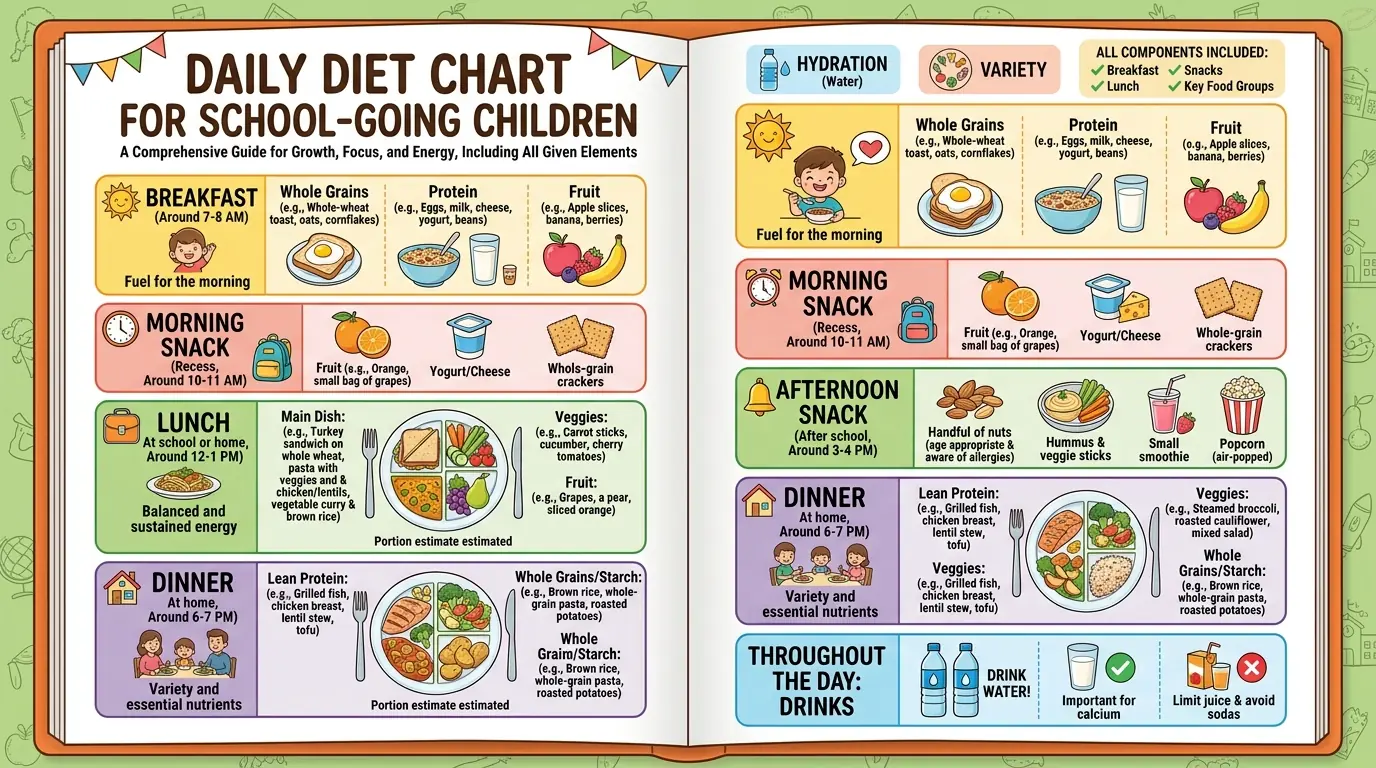
A healthy diet plan is always an important part of a child’s growth, learning, and overall well-being. School-aged children need the right balance of protein, healthy fats, whole grains, fruits, and vegetables to stay energized throughout the day and perform well in routine school activities.
Many American children consume too much processed food, sugary snacks, and sweetened beverages, which can negatively affect their concentration, energy levels, and long-term health, leading to many early diseases at a young age.
Following a balanced daily diet chart can help children develop healthy eating habits that last a lifetime.
In this guide, you’ll find a simple and practical daily meal plan designed specifically for American school kids.
Why Is a Healthy Diet Important for School Kids?
Proper nutrition helps children:
- Maintain a healthy weight
- Improve focus and academic performance
- Build strong bones and muscles
- Strengthen the immune system
- Support healthy brain development
- Stay active in sports and outdoor activities
A balanced diet should include foods from all major food groups recommended by the USDA.
Daily Diet Plan for School-Going Children
Breakfast (7:00 AM – 8:00 AM)

Healthy Breakfast Options
First Option
- Scrambled eggs
- Whole-grain toast
- Fresh strawberries
- Low-fat milk
Second Option
- Oatmeal topped with blueberries
- Banana
- Glass of milk
Option 3
- Greek yogurt parfait with granola
- Mixed berries
Option 4
- Whole-wheat pancakes
- Peanut butter
- Apple slices
Benefits
- Provides energy for morning classes
- Improves memory and concentration
- Reduces unhealthy snacking later in the day
Mid-Morning School Snack (10:00 AM)
Many schools allow a healthy snack break.
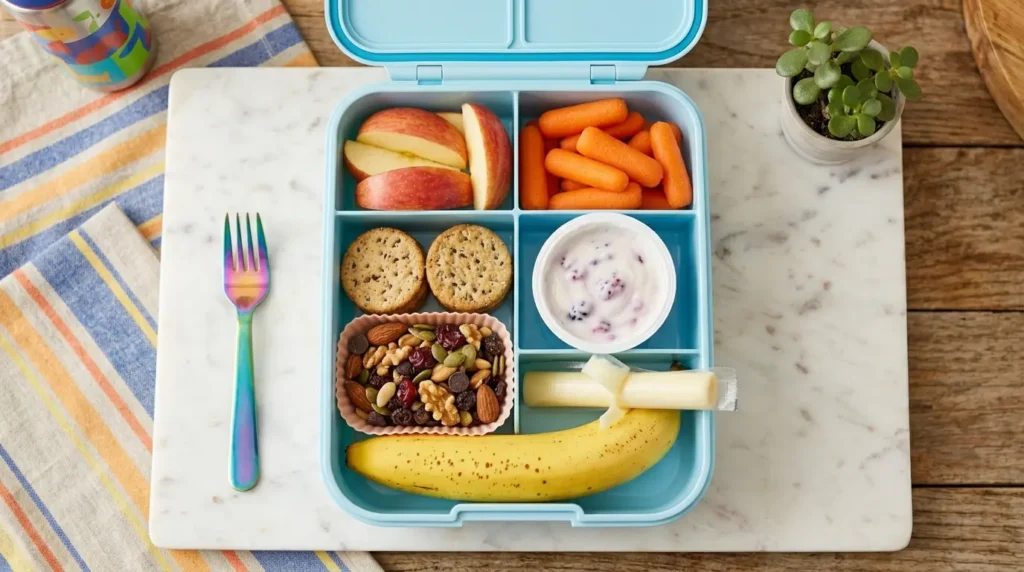
Best School Snacks
- Apple slices
- Baby carrots
- String cheese
- Greek yogurt
- Whole-grain crackers
- Trail mix
- Banana
Benefits
- Keeps children energized
- Helps maintain focus during lessons
- Prevents overeating at lunch
School Lunch (12:00 PM – 1:00 PM)
A balanced lunch should include protein, whole grains, fruits, and vegetables.
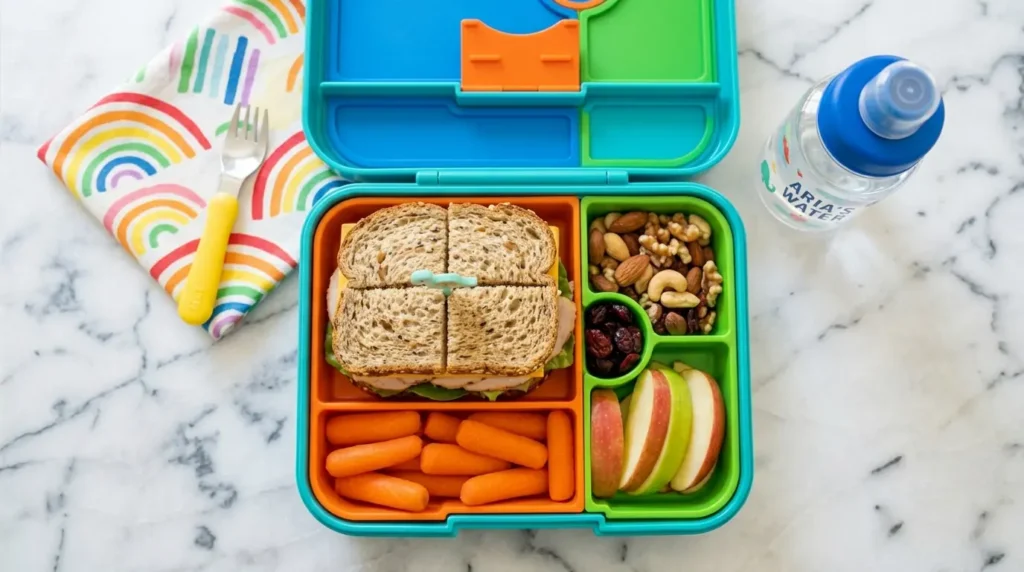
Healthy Lunchbox Ideas
First Option
- Turkey sandwich on whole-grain bread
- Baby carrots
- Apple / Dry nuts
- Water
Second Option
- Grilled chicken wrap
- Cucumber slices
- Nuts
Option 3
- Whole-wheat pasta salad
- Cheese cubes
- Grapes/ Any seasonal fruit
Option 4
- Peanut butter and jelly sandwich
- Celery sticks
- Fresh fruit/ Seasonal fruit
Benefits
- Supports learning and concentration
- Provides lasting afternoon energy
- Helps meet daily nutrient requirements
After-School Snack (3:30 PM – 4:30 PM)
Children often feel hungry after school, especially if they participate in sports.
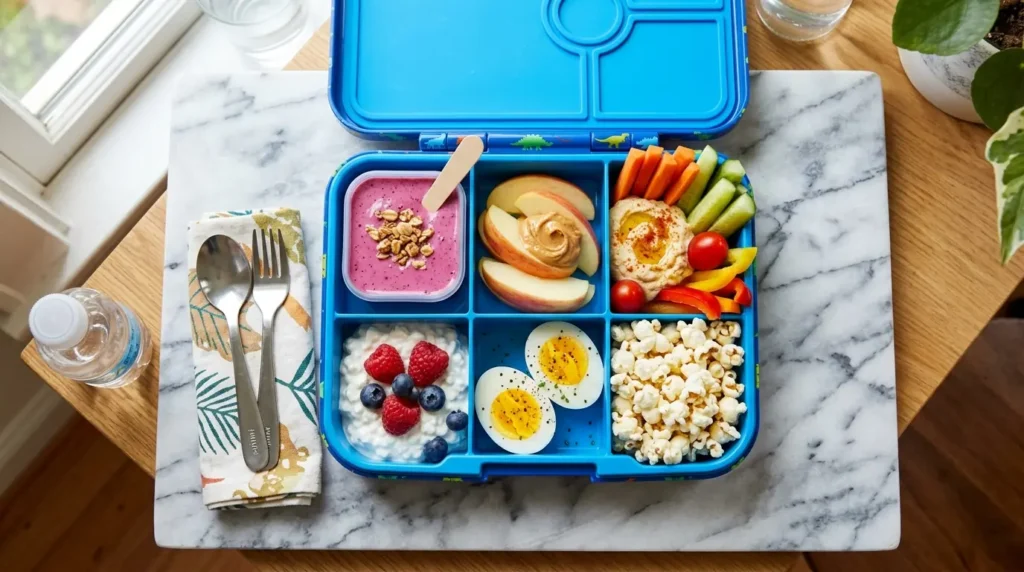
Healthy After-School Snacks
- Smoothie made with fruit and yogurt
- Apple with peanut butter
- Cottage cheese and fruit
- Hard-boiled eggs
- Air-popped popcorn
- Hummus with vegetables
Benefits
- Refuels energy after school
- Supports physical activity and sports
- Prevents excessive hunger before dinner
Dinner (6:00 PM – 7:00 PM)
Dinner should provide balanced nutrition without excessive calories.
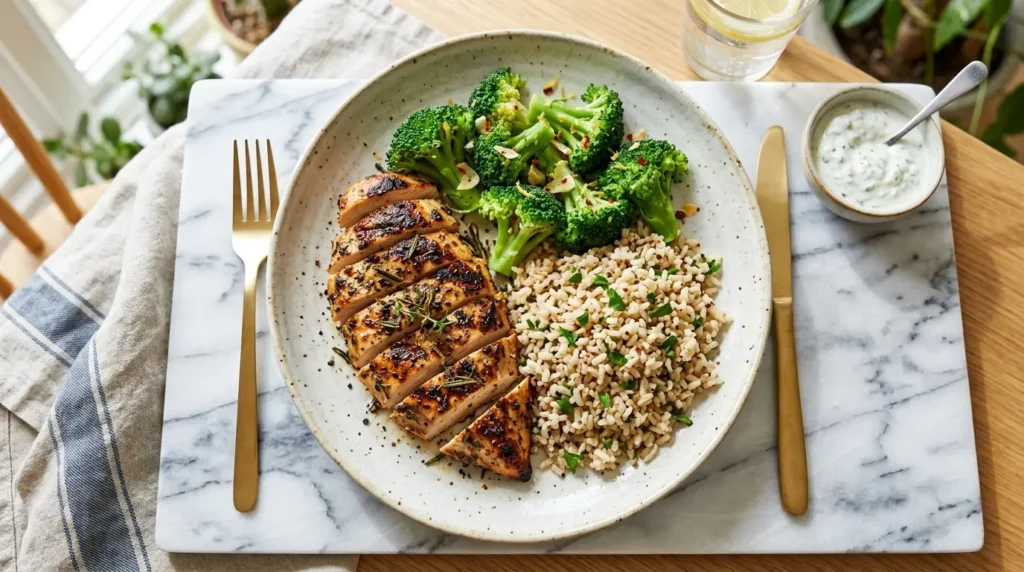
Healthy Dinner Options
First Option
- Grilled chicken breast
- Brown rice
- Steamed broccoli
Second Option
- Baked salmon
- Sweet potato
- Green beans
Option 3
- Lean beef tacos
- Lettuce and tomatoes
- Corn
Option 4
- Turkey meatballs
- Whole-wheat pasta
- Side salad
Benefits
- Supports muscle growth and recovery
- Provides essential vitamins and minerals
- Promotes healthy development
Evening Snack (Optional)
If your child is hungry before bedtime:
- Warm milk
- Banana
- Small bowl of yogurt
- Whole-grain crackers
Keep snacks light and nutritious.
Best Foods for Growing School Kids
Protein Foods
- Eggs
- Chicken
- Turkey
- Fish
- Greek yogurt
- Beans
- Lentils
- Nuts and seeds
Fruits
- Apples
- Bananas
- Berries
- Oranges
- Grapes
- Pears
Vegetables
- Carrots
- Broccoli
- Cucumbers
- Bell peppers
- Spinach
- Sweet potatoes
Whole Grains
- Oatmeal
- Brown rice
- Whole-grain bread
- Whole-wheat pasta
- Quinoa
Healthy Fats
- Avocados
- Almonds
- Walnuts
- Peanut butter
- Olive oil
Foods Parents Should Limit
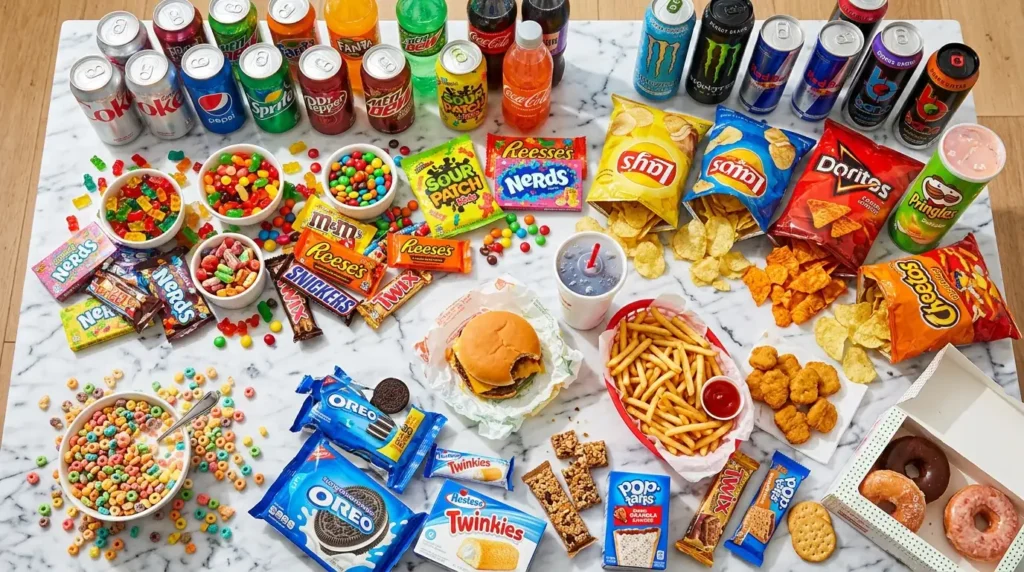
To support healthy growth, reduce:
- Sugary sodas
- Energy drinks
- Candy
- Potato chips
- Fast food
- Sugary breakfast cereals
- Processed snacks
These foods often contain excess sugar, unhealthy fats, and empty calories.
How Much Water Should School Kids Drink?
Hydration is essential for focus and physical performance.
Recommended Daily Water Intake
- Ages 4–8: 5 cups
- Ages 9–13: 7–8 cups
- Ages 14–18: 8–11 cups
Encourage children to carry a reusable water bottle to school and drink water throughout the day.
Sample One-Day Meal Plan for School Kids
| Meal | Food |
| Breakfast | Scrambled eggs, whole-grain toast, strawberries, milk |
| Morning Snack | Banana |
| Lunch | Turkey sandwich, carrots, apple, water |
| After-School Snack | Greek yogurt and berries |
| Dinner | Grilled chicken, brown rice, broccoli |
| Evening Snack | Warm milk |
Frequently Asked Questions
What is the healthiest breakfast for school kids?
A breakfast containing protein, whole grains, and fruit—such as eggs, oatmeal, and berries—is one of the healthiest choices.
Should children eat snacks between meals?
Yes. Healthy snacks help maintain energy levels and support growth.
What drinks are best for school kids?
Water and milk are the healthiest options. Limit sugary drinks and sodas.
How many servings of fruits and vegetables should children eat daily?
Most school-aged children should aim for at least 5 servings of fruits and vegetables each day.
Article Written By:
Reviewed & Endorsed By:
Read more by Fitness-1st: