

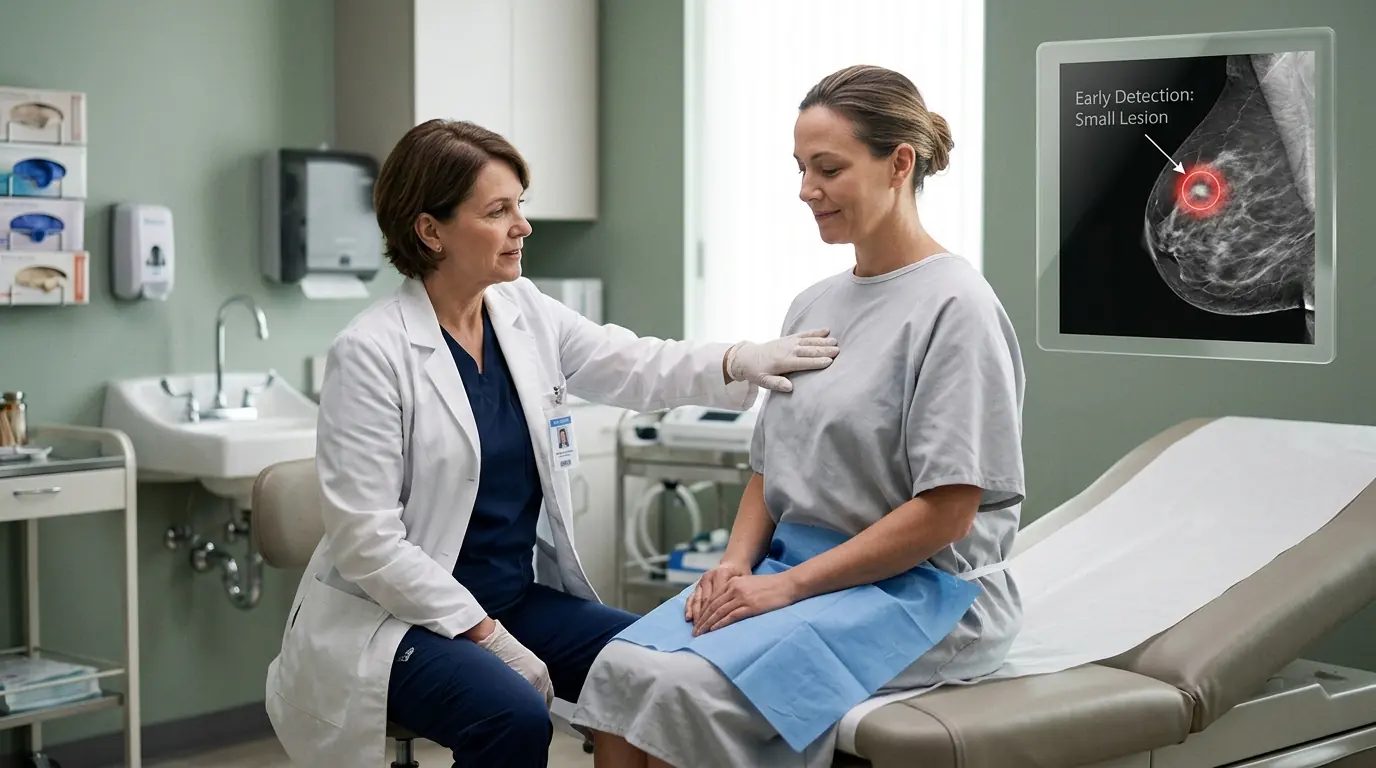
Breast cancer is a major global health issue. It affects millions of people every year. The World Health Organization tracks these global cancer statistics. Cells in the breast tissue change, and they start to grow out of control. These abnormal cells multiply quickly, and they form a mass of tissue. Doctors call this mass a tumor.
Healthy cells grow and divide in a controlled way. Breast cancer cells lose this control. They crowd out healthy cells, and they can destroy normal breast tissue. Sometimes, these dangerous cells enter the lymph nodes or the bloodstream. They can travel to other parts of the body, and they can start new tumors there. Doctors call this process metastasis.
Breast cancer occurs mostly in women, but men can get it too. Men have breast tissue, so they face a small risk. According to research on Breast Cancer Epidemiology, less than one percent of all breast cancers occur in men. However, the disease behaves similarly in both sexes. Early detection saves lives for both men and women.
Common Symptoms of Breast Cancer
People must know the signs of breast cancer. Early signs can vary from person to person. Some people do not notice any signs at all, but others see clear changes.
Breast Lumps and Changes in Texture
A new lump in the breast is the most common symptom. This lump often feels hard, and it usually does not hurt. Sometimes, a lump can feel soft or tender, so people should get any new lump checked. Lumps can also form in the underarm area. The lymph nodes under the arm can swell first. Later, a lump appears in the breast.
People may also notice a general thickening of the breast tissue. This area feels different from the surrounding tissue. It can feel like a firm knot under the skin.
Visual Changes on the Skin
Breast cancer can change the appearance of the skin on the breast. The skin can develop dimples. It can look like the peel of an orange. Some people notice redness or scaling on the skin, and the skin may feel warm or swollen.
The shape and size of the breast can also change. One breast may look larger or lower than the other breast. These changes can happen quickly, or they can develop slowly over time.
Nipple Changes and Discharge
The nipple area can show important signs of disease. The nipple can turn inward. Doctors call this condition nipple inversion. The skin around the nipple can become flaky, red, or scaly.
Nipple discharge is another key symptom. This discharge can happen without squeezing the nipple. It can look clear, or it can contain blood. Any unusual fluid from the nipple requires a medical examination.
Breast Pain
Most breast cancers do not cause pain in the early stages. However, some people experience persistent pain in the breast or underarm. This pain does not go away with the normal menstrual cycle. People should report any constant breast pain to a doctor.
Risk Factors for Breast Cancer
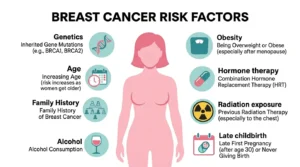
Scientists study the causes of breast cancer. Certain factors increase a person’s chance of developing this disease. Medical researchers divide these factors into two categories. Some factors are unchangeable, but people can control other factors through lifestyle choices.
Age and Gender
Increasing age is a major risk factor. The risk rises with age. Most breast cancers happen in women over the age of 50. Studies show this trend clearly in data from the International Journal of Biological Sciences.
Gender is another primary factor. Women have much more breast tissue than men, and women have higher levels of estrogen. This hormone stimulates breast cell growth, so women have a much higher risk.
Family History and Genetics
Family history plays a large role in breast cancer risk. A close relative with the disease raises a person’s risk. Multiple affected family members raise the risk even more.
Genetic mutations can pass from parents to children. The BRCA1 and BRCA2 genes are the most common examples. Normal BRCA genes protect the body from cancer, but mutated versions cannot repair DNA properly. People with these mutations face a much higher lifetime risk of breast cancer.
Medical and Hormonal History
A personal history of breast cancer increases future risk. A cancer survivor can develop a new tumor in the other breast. Certain non-cancerous breast conditions also raise the risk slightly.
Hormonal factors change breast cancer risk significantly. Long exposure to estrogen can increase danger. Early menstruation before age 12 creates longer hormone exposure. Late menopause after age 55 has the same effect. Using hormone replacement therapy after menopause also raises risk.
Lifestyle Factors
Obesity increases breast cancer risk, especially after menopause. The ovaries stop working at menopause. After this time, fat tissue produces estrogen, and high estrogen levels drive cancer growth.
Alcohol consumption is another clear risk factor. Even small amounts of alcohol can raise breast cancer risk. Alcohol can increase estrogen levels, and it can damage cellular DNA.
A lack of physical activity contributes to higher risk. Regular exercise helps control body weight, and it boosts the immune system. Active people generally have lower risks of many cancers.
Types of Breast Cancer
Breast cancer is not just one disease. Doctors identify different types based on the specific cells involved. The type of cancer determines the growth rate and the treatment plan.
Ductal Carcinoma
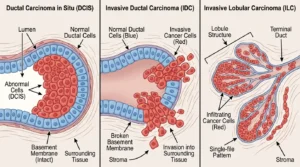
Ductal carcinoma begins in the milk ducts. These ducts carry milk to the nipple. This type is the most common form of breast cancer.
Doctors divide it into two main categories. Ductal carcinoma in situ is non-invasive. The abnormal cells stay inside the milk duct, and they do not spread into surrounding tissue. Invasive ductal carcinoma breaks through the duct wall. It grows into the nearby breast tissue, and it can spread to other body parts.
Lobular Carcinoma
Lobular carcinoma starts in the lobules. These lobules are the glands for milk production. This type is less common than ductal carcinoma, but it still affects many people.
Lobular carcinoma can also be non-invasive or invasive. Invasive lobular carcinoma spreads into the surrounding breast tissue. It often forms a thickening of the tissue rather than a distinct lump. This pattern can make it harder to find on a mammogram.
Invasive Versus Non-Invasive Cancer
Invasive breast cancers have the power to spread. They travel through the lymphatic system or the blood vessels. They can reach the bones, lungs, liver, or brain. Treatment for invasive cancer must target the whole body.
Non-invasive cancers stay in their original place. They do not invade nearby tissues, and they do not spread to distant organs. However, non-invasive cancers can turn into invasive cancers over time. Doctors treat them early to prevent this dangerous change.
How Doctors Diagnose Breast Cancer
Early diagnosis improves treatment success. Doctors use several tools to find and identify breast cancer. The diagnostic process often begins with simple tests, and it moves to advanced procedures if necessary.
Clinical Breast Examinations
A clinical breast exam is a physical check by a healthcare provider. The provider feels the breasts and underarm areas for lumps or changes. They also look for skin dimpling or nipple issues. This exam is a helpful first step during routine checkups.
Screening and Diagnostic Mammography
A mammogram is a special X-ray of the breast tissue. Medical teams use screening mammograms to check healthy women for early signs of cancer. These tests can find tumors early. A person cannot feel these tumors yet.
Diagnostic mammograms provide a detailed look at specific areas. Doctors use them after an abnormal screening result. They also use them for patients with symptoms. The machine takes pictures from multiple angles for a clearer view.
Ultrasound and MRI
An ultrasound uses sound waves to create images of the inside of the breast. It helps doctors see the difference between fluid-filled cysts and solid masses. Cysts are usually harmless, but solid masses require more testing.
A magnetic resonance imaging scan uses strong magnets and radio waves. An MRI produces highly detailed cross-sectional pictures of breast tissue. Doctors use MRIs for women with a very high risk of cancer. They also use them to measure the exact size of a known tumor.
Biopsy
A biopsy is the only definitive way to confirm a breast cancer diagnosis. During a biopsy, a doctor removes a small sample of cells from the suspicious area. They can use a needle to take the sample, or they can perform a minor surgery.
A pathologist examines the cells under a microscope. They check for cancer cells, and they determine the specific type of cancer. They also test the cells for hormone receptors and special proteins. This information guides the entire treatment plan.
Understanding Tumor Stages
Doctors use stages to describe the spread of breast cancer. This staging system helps the medical team choose the best treatment. The stages range from zero to four.
Stage zero represents non-invasive breast cancer. Ductal carcinoma in situ is a primary example of stage zero. The abnormal cells exist only inside the milk ducts, and they have not invaded nearby tissues.
Stage one cancer is small and invasive. The tumor measures less than two centimeters across. The cancer has not spread to the lymph nodes, or it has spread only to a tiny area in the nearby lymph nodes.
Stage two and stage three cancers are more advanced. The tumor is larger, or the cancer has spread to multiple lymph nodes under the arm. These stages require aggressive treatments like a combination of surgery, chemotherapy, and radiation.
Stage four is metastatic breast cancer. The cancer has traveled to distant organs. It often spreads to the bones, lungs, liver, or brain. Stage four cancer is treatable, but it is not completely curable. Treatment goals focus on extending life and improving comfort.
Treatment Options for Breast Cancer
Medical teams create personalized treatment plans for each patient. The plan depends on the cancer type, stage, and general health of the patient. Doctors often combine multiple treatments for the best results.
Surgery
Surgery removes the cancer tissue from the breast. Surgeons can perform a lumpectomy. This operation removes only the tumor and a small edge of healthy tissue. It preserves most of the breast appearance.
A mastectomy is the complete removal of the breast tissue. Surgeons may recommend a mastectomy for large tumors or multiple tumors. They also check the nearby lymph nodes during surgery. This check reveals any spread of the cancer.
Radiation Therapy
Radiation therapy uses high-energy rays to destroy remaining cancer cells. It targets the specific area of the tumor growth. Doctors often use radiation after a lumpectomy. This treatment lowers the risk of cancer recurrence. This treatment kills hidden cells, and it protects surrounding healthy tissues.
Chemotherapy
Chemotherapy uses powerful medications to kill fast-growing cancer cells. Patients can take these drugs orally, or they can receive them through an intravenous line. Chemotherapy travels throughout the entire body.
Doctors use chemotherapy before surgery to shrink large tumors. They also use it after surgery to kill any remaining cancer cells. This treatment can cause side effects like hair loss and fatigue, but modern medicines help manage these issues.
Hormone Therapy
Some breast cancers need hormones to grow. These tumors have receptors for estrogen or progesterone. Hormone therapy blocks the body from producing these hormones, or it stops the hormones from reaching the cancer cells.
This treatment works well for hormone receptor-positive cancers. Patients often take hormone pills for several years after surgery. This long-term care helps prevent the cancer from coming back.
Targeted Therapy and Immunotherapy
Targeted therapy attacks specific proteins on cancer cells. For example, some breast cancers have too much of a protein called HER2. Targeted drugs lock onto this protein and stop the cell from growing. This treatment causes less damage to healthy cells than standard chemotherapy.
Immunotherapy helps the body’s own immune system fight cancer. It trains immune cells to recognize and destroy breast cancer cells. Doctors use immunotherapy for specific advanced types of breast cancer.
Prevention and Early Detection Strategies
People can take active steps to protect their breast health. Prevention strategies reduce the overall risk of developing cancer. Early detection strategies help find the disease at a highly treatable stage. The Centers for Disease Control and Prevention support programs for widespread early screening.
Regular Screening Mammograms
Regular mammograms are the most effective tool for early detection. Health guidelines recommend regular screenings for women starting at age 40 or 50. Women should discuss their personal risk with a doctor, and they should create a regular screening schedule.
Weight Management and Physical Activity

Maintaining a healthy weight reduces breast cancer risk. People should eat a balanced diet with plenty of fruits and vegetables. They should limit foods with high sugar and fat content.
Regular exercise also provides strong protection. People should aim for at least 150 minutes of moderate exercise each week. Activities like brisk walking, cycling, or swimming improve overall health and lower cancer risk.
Limiting Alcohol Consumption
Limiting alcohol intake is a proven way to reduce risk. Women should limit their consumption to no more than one drink per day. Avoiding alcohol completely offers the highest level of protection.
Knowing Family History
People must learn their family medical history. They should talk to relatives about any cases of cancer. This knowledge helps healthcare providers estimate a person’s individual risk. People with a strong family history can choose advanced screening methods or genetic counseling.
Breast cancer remains a serious health challenge, but medical science continues to advance. Understanding risks, spotting symptoms, and participating in regular screenings give people the best defense against this disease.
Fact checked by:
- Dr. Mr. Muhammad Umer – (BHMS) & PhD- Nutrition
- Dr. Mr. Muhammad Adnan Iqbal – MBBS, Shandong Medical University
- Homeopathic Dr. Anum Zulfiqar Shakir – (BHMS) – Islamia University
- Mr. Muhammad Fareed – Administrator Fitness-1st