
Menorrhagia is a specific type of abnormal uterine bleeding. It occurs at regular intervals but involves excessive volume or duration. A normal menstrual cycle typically lasts between four and seven days.
In cases of menorrhagia, the bleeding extends beyond one week. The total blood loss also exceeds 80 ml per cycle. This condition is a very common gynecological issue for many women. It often disrupts daily activities and physical health.
Defining the Parameters of Heavy Bleeding
Clinical definitions help doctors identify this condition accurately. Most women lose about 30 to 40 ml of blood during a typical period. Menorrhagia doubles this amount. Measuring exact blood loss is difficult at home. Patients usually track the number of sanitary products they use. Using more than one pad or tampon every hour is a clear sign of heavy flow.
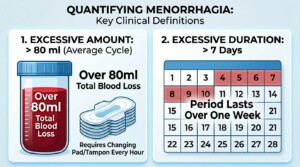
The duration is the second key factor. A period that lasts longer than seven days is considered prolonged. This extended bleeding puts a strain on the body. It prevents the uterine lining from healing properly. Continuous blood loss often leads to secondary health complications.
Common Symptoms and Physical Impact
The symptoms of menorrhagia go beyond heavy flow. Many women experience significant physical exhaustion. This is often due to iron deficiency anemia. The body loses red blood cells faster than it can replace them.
Primary Symptoms
-
Double Protection: Many women must wear two pads at once to prevent leaking.
-
Nighttime Disruptions: You may wake up several times a night to change products.
-
Large Blood Clots: Passing clots larger than a quarter is a common sign.
-
Activity Restriction: The fear of flooding often prevents women from leaving home or exercising.
Systemic Effects
Anemia causes several secondary symptoms. You might feel a constant sense of fatigue. Shortness of breath occurs even during light walking. Some women experience pale skin and cold hands or feet. These signs indicate that the heart is working harder to pump oxygen through the body.
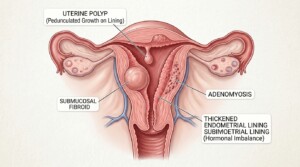
Primary Causes of Menorrhagia
Several medical conditions can trigger excessive bleeding. These range from structural issues in the uterus to systemic blood disorders.
1. Hormonal Imbalance
The menstrual cycle relies on a balance between estrogen and progesterone. Estrogen builds the uterine lining. Progesterone stabilizes it. If the body does not produce enough progesterone, the lining grows too thick. A thick lining results in heavy shedding during menstruation. This imbalance is common in teenagers and women approaching menopause.
2. Uterine Fibroids and Polyps
Fibroids are noncancerous growths in the muscular wall of the uterus. They can change the shape of the uterine cavity. This increased surface area leads to more bleeding. Polyps are smaller growths on the lining itself. Both structures are benign but cause significant discomfort and heavy flow.
3. Adenomyosis
This condition occurs when the endometrial tissue grows into the muscular wall of the uterus. It causes the uterus to enlarge. Periods become both heavy and extremely painful. It is most common in middle-aged women who have had children.
4. Bleeding Disorders
Some systemic issues prevent the blood from clotting correctly. Von Willebrand disease is a common inherited disorder. It interferes with the proteins needed for clotting. Women with this condition often have heavy periods from their very first cycle.
5. Intrauterine Devices (IUDs)
The copper IUD is a highly effective form of birth control. However, it is a non-hormonal device. Many users report much heavier and longer periods after insertion. This is often a side effect of the local inflammatory response in the uterus.
6. Medications
Certain drugs can increase bleeding risks. Blood thinners or anticoagulants prevent clots. Anti-inflammatory drugs can also impact the intensity of menstrual flow in some patients.
Key Risk Factors
Certain groups are more likely to develop menorrhagia. Lifestyle and life stages play a major role in these risks.
-
Obesity: Adipose tissue produces extra estrogen. High estrogen levels lead to a thicker uterine lining. This results in heavier periods.
-
Age: Adolescents are prone to hormonal fluctuations as their cycles regulate. Women in perimenopause also face irregular hormone shifts.
-
Pelvic Inflammatory Disease: Chronic infections can scar the uterus and cause abnormal bleeding.
Diagnosis and Clinical Evaluation
Doctors use several tools to diagnose the cause of heavy bleeding. The process starts with a detailed medical history. You should track your cycle dates and pad usage before the appointment.
Diagnostic Steps
-
Pelvic Exam: The doctor checks for physical abnormalities or growths.
-
Blood Tests: These check for anemia and thyroid problems. They also screen for clotting disorders.
-
Ultrasound: This imaging tool shows the size and shape of the uterus. It can identify fibroids or polyps.
-
Endometrial Biopsy: A small sample of tissue is taken from the lining. This rules out precancerous cells.
Management and Medical Treatment
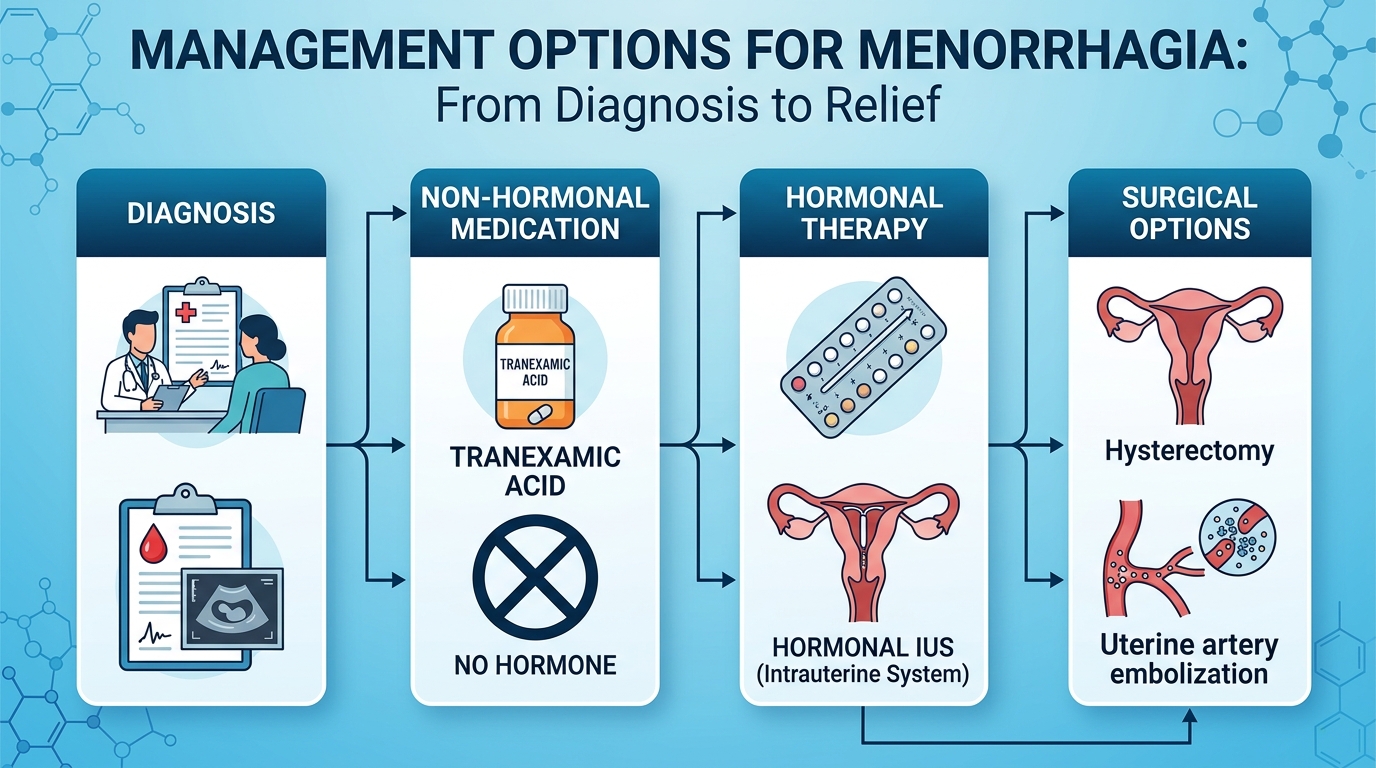
Treatment depends on the cause of the bleeding and the patient’s future pregnancy plans.
Hormonal Therapy
Birth control pills are the first line of defense. They regulate hormones and thin the uterine lining. A hormonal intrauterine system (IUS) is also very effective. It releases progestin directly into the uterus to reduce flow.
Non-Hormonal Options
Tranexamic acid is a medication taken only during the period. It helps the blood clot more efficiently in the uterus. It does not contain hormones. Nonsteroidal anti-inflammatory drugs (NSAIDs) like ibuprofen can also reduce blood loss and pain.
Surgical Interventions
If medication fails, surgery may be necessary.
-
Uterine Artery Embolization: This procedure shrinks fibroids by cutting off their blood supply.
-
Myomectomy: This involves the surgical removal of fibroids while leaving the uterus intact.
-
Hysterectomy: This is the permanent removal of the uterus. It is a final option for those who do not wish to have children.
Complementary and Homeopathic Approaches
Some individuals look for alternative ways to manage symptoms. Homeopathy offers several options that focus on the specific nature of the bleeding.
-
China Officinalis: Often used for exhaustion following the loss of vital fluids. It helps with the weakness caused by anemia.
-
Millefolium: This is typically suggested for bright red, fluid blood.
-
Calcarea Carbonica: This may be used for women who have periods that are both too early and too profuse.
-
Sabina: This is often indicated when the bleeding is accompanied by pain in the lower back or sacrum.
Lifestyle Adjustments and Home Care
Managing menorrhagia requires daily effort. Increasing your iron intake is vital. Eat more leafy greens, red meat, and legumes. Taking a vitamin C supplement helps your body absorb iron more effectively. Stay hydrated during your period to maintain blood volume.
Rest is also essential. Heavy bleeding drains your energy levels quickly. Avoid heavy lifting during the peak days of your cycle. Use heating pads to manage the cramping that often accompanies heavy flow.
Summary of Key Points
| Feature | Details |
| Normal Loss | 30 to 40 ml |
| Menorrhagia Loss | Over 80 ml |
| Normal Duration | 4 to 7 days |
| Menorrhagia Duration | Over 7 days |
| Primary Goal | Reduce flow and prevent anemia |
Menorrhagia is a manageable condition. It requires a combination of clinical diagnosis and personalized treatment. If you experience these symptoms, consult a healthcare provider. Early intervention prevents long-term health issues like severe anemia. Understanding the cause is the first step toward regaining control of your cycle.
Fact checked by:
- Dr. Mr. Muhammad Umer – (BHMS) & PhD- Nutrition
- Dr. Mr. Muhammad Adnan Iqbal – MBBS, Shandong Medical University
- Homeopathic Dr. Anum Zulfiqar Shakir – (BHMS) – Islamia University
- Mr. Muhammad Fareed – Administrator Fitness-1st