
Fluoride treatment needs a short waiting period before you eat. Gel and foam types need about 30 minutes. Varnish types feel dry fast but take up to 6 hours to fully set.
Dentists suggest soft, room temperature foods during this window. Hot drinks, hard snacks, and sticky sweets are usually off limits. Citrus fruits are also off limits for a few hours after fluoride treatment.
The CDC states that fluoride varnish reduces cavities in baby teeth by one-third.
What Is Fluoride Treatment?
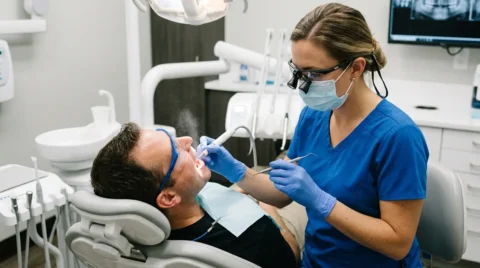
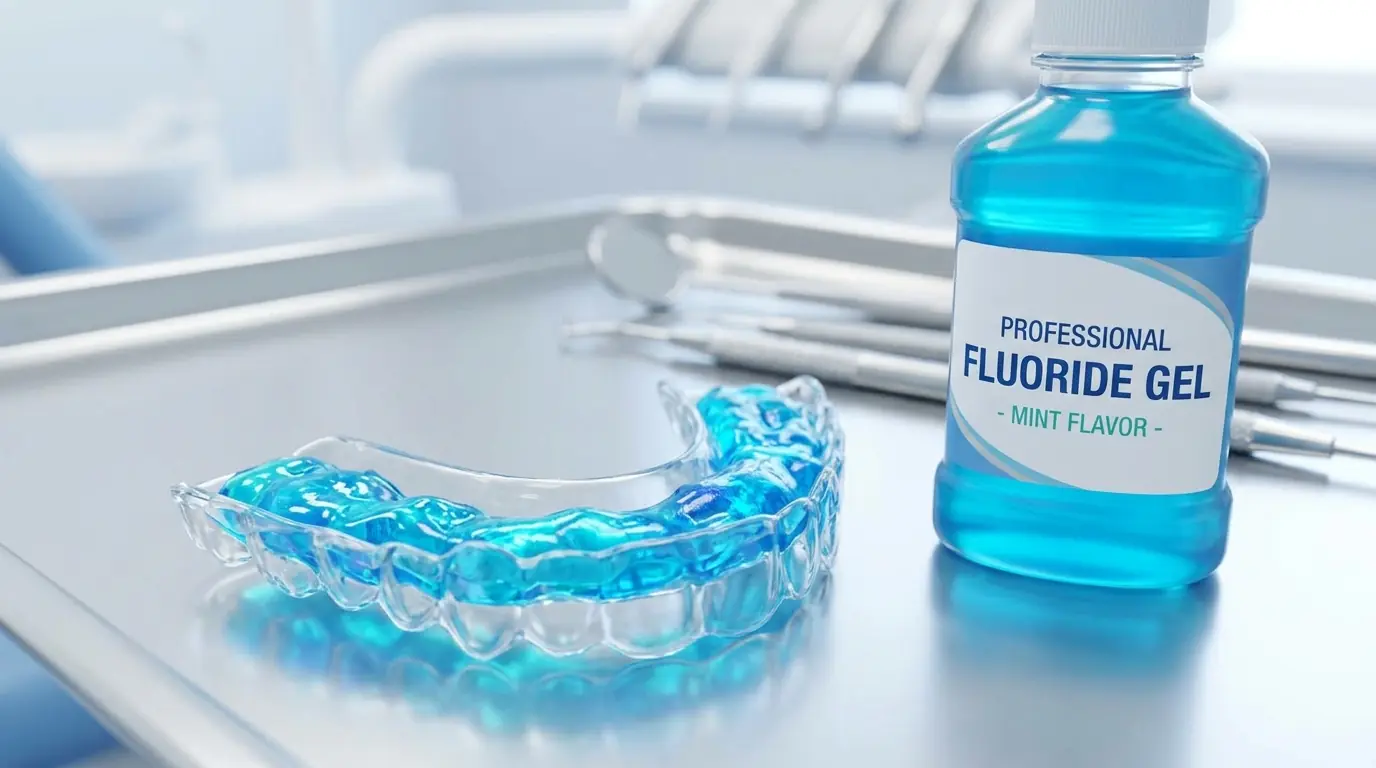
A dentist or hygienist applies concentrated fluoride to teeth. Three main forms exist: gel, foam, and varnish.
Gel and foam sit in a tray on your teeth. Varnish gets painted directly onto tooth surfaces. Fluoride treatment strengthens enamel and slows bacterial acid production.
Many dental offices offer fluoride treatment during routine checkups. Kids often receive it every 3 to 6 months. Adults can also benefit from it in certain cases.
How Long After Fluoride Treatment Can You Eat?
The wait time depends on the type of treatment. Gel and foam treatments need 30 minutes before eating. Varnish treatments harden within minutes but need longer to fully bond.
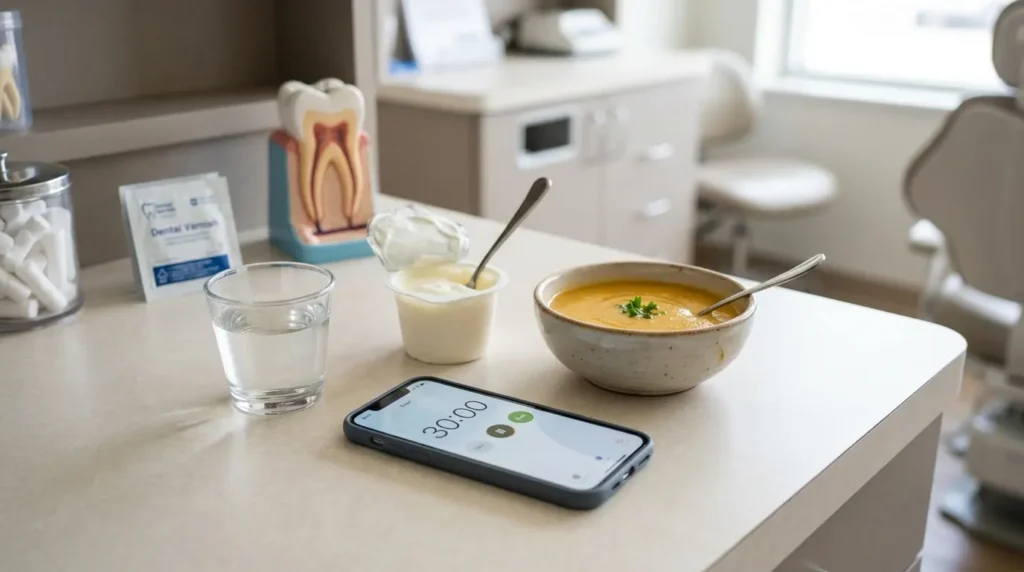
Dentists often recommend soft foods for 4 to 6 hours after varnish. Waiting the full time gives it a better chance to work. Skipping the wait may lower the benefits of the treatment.
The American Dental Association backs the 30-minute rule for tray-based treatment.
Wait Times by Type
Gel and Foam Fluoride Treatment
Gel and foam fluoride treatment sits in a mouth tray. Application usually lasts 1 to 4 minutes. Patients should avoid eating or drinking for 30 minutes.
Plain water is fine right after this fluoride treatment. Try not to rinse your mouth during this time either.
Varnish Treatment
Varnish treatment gets brushed onto each tooth. It sets on contact with saliva within minutes. Full bonding still takes several hours to finish. Wait at least 30 minutes before eating or drinking.
Stick to soft foods for 4 to 6 hours after varnish. Some dentists suggest holding off on hot drinks for 6 hours too.
Why Wait Time Is Important
Fluoride treatment leaves a thin mineral layer on your teeth. Saliva and food can wash this layer off fast. Enamel absorbs fluoride minerals slowly over several hours.
Eating too soon cuts into this absorption window. Dentists link longer wait times with stronger cavity resistance. This is one reason dentists repeat the same advice at every visit.
A short wait now supports stronger enamel later on. Patients who follow fluoride treatment guidelines often see better long-term results.
Foods to Avoid After Fluoride Treatment
Some foods interfere with fresh fluoride treatment. Hot coffee and tea soften varnish before it sets fully. Crunchy chips, pretzels, and nuts scrape the fluoride layer off.
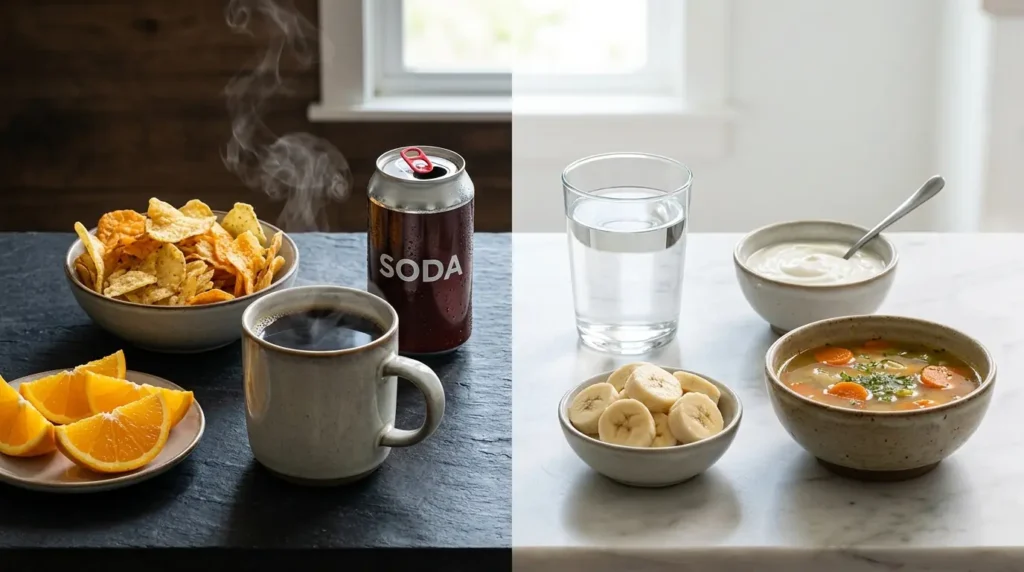
Sticky candy and chewing gum pull at the coating. Citrus fruits like oranges and lemons raise acid levels in the mouth. Alcohol based mouthwash can irritate teeth right after fluoride treatment.
Spicy dishes also bother sensitive gums during this window. Ice-cold drinks and popsicles are best left for later too.
Foods You Can Eat After Fluoride Treatment
Soft, mild foods are the safest pick after fluoride treatment. Yogurt, mashed potatoes, and scrambled eggs work well. Bananas and applesauce feel gentle on sensitive teeth.
Room temperature soup is another solid choice. Hard-boiled eggs and oatmeal are easy options too. Smoothies without citrus fruit are also fine to try.
Plain water stays safe through the entire waiting period.
Statistics and Research
Research backs the value of the treatment for cavity prevention. The CDC reports fluoride varnish cuts cavities in baby teeth by one third. A 2013 Cochrane review found similar results across many studies.
Fluoride varnish shows about 37% fewer cavities in primary teeth. The same body of research found around 47% fewer cavities in permanent teeth.
Fluoride varnish contains roughly 22,600 parts per million of fluoride. This concentration sits far above toothpaste and tap water levels.
The CDC and ADA suggest fluoride treatment twice a year for at-risk kids. Programs following this schedule for two years show strong results.
Treatment for Kids Vs Adults
Kids often need fluoride treatment more than adults do. Young teeth absorb fluoride minerals at a faster rate. Adults still gain protection in certain cases.
Dry mouth reduces natural saliva production over time. Saliva plays a role in protecting teeth from cavities. Dental crowns and bridges also raise the value.
Both age groups follow the same basic wait time rules. Kids under 6 usually get varnish instead of gel or foam.
Common Mistakes
Eating too soon is the most common mistake after the treatment. Brushing right away is another frequent slip-up. Some patients rinse their mouth out of habit. Hot coffee right after is also common.
Chewing gum during the waiting period happens more than people think. Each of these habits can lower the value of fluoride.
Tips to Get the Most From Fluoride Treatment
Follow your dentist’s exact instructions after the treatment. Skip brushing and flossing for about 6 hours post-treatment.
Choose soft foods over hard or crunchy options. Stick to room temperature drinks instead of hot or cold ones.
Keep citrus fruits and acidic snacks off your plate for a few hours. Set a timer if you tend to forget the wait time. Book the treatment on a regular schedule for lasting results.
Also read: