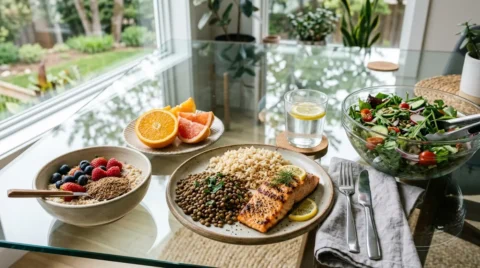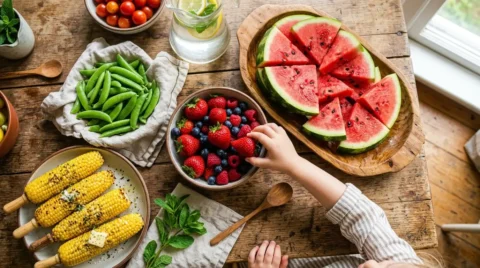

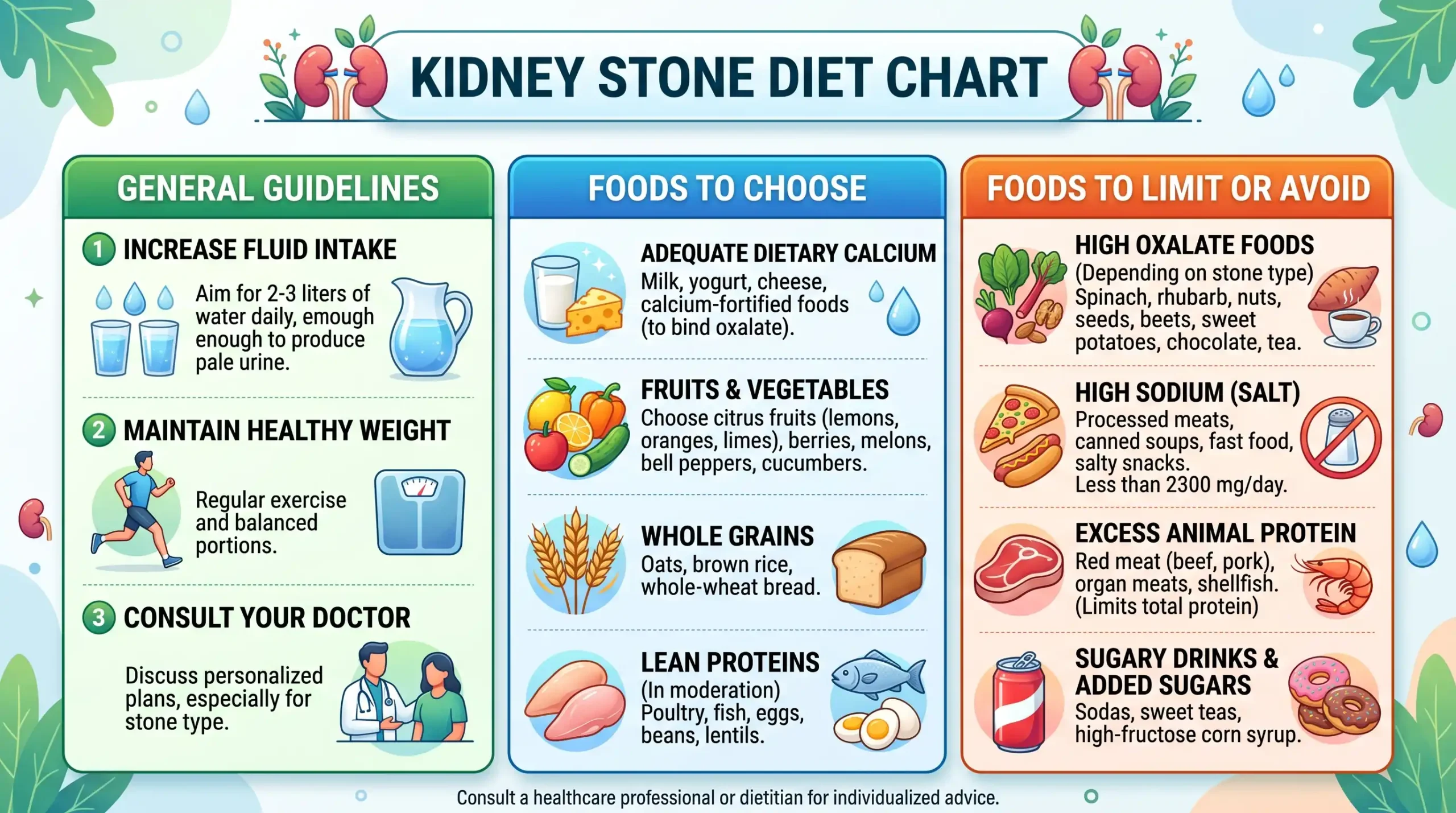
I’m so, so glad I finally sat down and actually mapped out a proper kidney stone diet chart instead of just guessing my way through grocery shopping. Kidney stones have a way of sneaking up on you. One week you’re fine, and the next you’re doubled over wondering what on earth you ate that caused this.
I’ve spent a lot of time since then digging into what actually works, and I can say with confidence: a well-built kidney stone diet chart is one of the most underrated tools for keeping stones from coming back.
So to say I’ve become a little obsessed with getting this right would be putting it mildly. Kidney stones have one of the highest recurrence rates of any common condition.
Some studies suggest that if you’ve had one, you have roughly a 50% chance of getting another within five to ten years without changing anything. That statistic alone was enough to send me down the rabbit hole of oxalates, sodium levels, and hydration targets.
Water Intake
Before we even get to the chart itself, the single biggest lever in any kidney stone diet is hydration. Doctors generally recommend producing at least 2 to 2.5 liters of urine a day, which usually means drinking about 3 liters of fluids, mostly water, spread evenly throughout the day rather than chugged all at once.
Water dilutes the minerals in urine that clump together to form stones in the first place. It sounds almost too simple, but it’s genuinely the foundation everything else sits on top of.
What a Kidney Stone Diet Chart Actually Needs to Include
A good kidney stone diet chart isn’t about cutting everything out and living on plain rice. It’s about reducing the specific triggers tied to your stone type (usually calcium oxalate, the most common kind) while still eating enough calcium, protein, and fiber to stay healthy.
Here’s the breakdown:
| Food Group | Include | Limit or Avoid |
|---|---|---|
| Fluids | Water, lemon or lime water, coconut water | Sugary sodas, excess coffee |
| Calcium | Milk, yogurt, cheese (in normal amounts, eaten with meals) | Calcium supplements without food |
| Oxalate-rich foods | — | Spinach, beet greens, rhubarb, nuts, chocolate (in excess) |
| Sodium | Fresh, home-cooked meals with light seasoning | Processed foods, canned soups, salty snacks |
| Animal protein | Lean poultry, fish, eggs (moderate portions) | Large portions of red meat, organ meats |
| Fruits & vegetables | Citrus fruits, melons, cucumbers, bell peppers | High-oxalate vegetables in large quantities |
| Whole grains | Oats, brown rice, whole wheat bread | Highly processed grain snacks |
Small correction to a myth that trips a lot of people up: calcium is not the enemy here. Cutting calcium too aggressively can actually increase your risk of stones, because calcium binds with oxalate in the gut before it ever reaches your kidneys. The trick is pairing calcium-rich foods with meals, not avoiding them entirely.
A Sample Kidney Stone Diet Chart
Here’s what an actual day following a kidney stone diet chart might look like. I could go on and on about the small tweaks, but this gives you a realistic starting point.
| Meal | Sample Foods |
|---|---|
| Early Morning | A large glass of water, optionally with a squeeze of lemon |
| Breakfast | Oatmeal with milk, a banana, a boiled egg |
| Mid-Morning Snack | A glass of coconut water or buttermilk |
| Lunch | Grilled chicken or fish, brown rice, cucumber salad, a side of yogurt |
| Afternoon | Water or herbal tea, a citrus fruit like an orange |
| Dinner | Light vegetable curry (avoiding spinach and beet greens), roti or rice, a small portion of dal |
| Before Bed | A final glass of water |
The attention to detail matters more than people expect. Citrus fruits like lemons and oranges contain citrate, which helps prevent calcium stones from forming. That’s why lemon water shows up more than once on a well-designed kidney stone diet chart. Small choices like that add up fast.
Sodium
If oxalate gets all the attention, sodium is the one working in the background, undermining everything. High sodium intake causes your kidneys to excrete more calcium into your urine, which raises your risk of calcium stones. This means processed foods, canned goods, and salty snacks deserve a much bigger red flag on your kidney stone diet chart than most people give them.
Animal Protein, in Moderation
Excess animal protein (red meat and organ meats) increases uric acid levels and can lower citrate, both of which push you toward stone formation. You don’t have to eliminate meat, but a kidney stone diet chart that leans toward lean poultry, fish, and moderate portions will serve you far better than one built around large steaks and fried meats.
Foods That Deserve Genuine Praise
A few things earned a permanent spot on my personal chart once I understood why they work:
- Watermelon and cucumbers – high water content, help with hydration goals almost effortlessly
- Lemons and limes – natural citrate boosters
- Whole grains – add fiber without the oxalate load of many vegetables
- Low-fat dairy – calcium without excess saturated fat
I have looked at a lot of diet advice in my life, and I have rarely seen something make as immediate a difference as a properly structured kidney stone diet chart. It’s not flashy, and it won’t fix everything overnight, but the small, consistent choices, more water, smarter sodium, calcium eaten the right way genuinely change the odds.
This article is for general informational purposes and isn’t a substitute for personalized medical advice. Stone composition varies from person to person, so it’s worth working with a doctor or renal dietitian to tailor a kidney stone diet chart to your specific test results.
Read more by Fitness-1st:
- How To Build A Simple Yet Effective First Aid Kit
- Benefits Of Drinking Lemon Water Every Morning
- A Guide to Understanding Serum Creatinine and Kidney Health
Fact-checked by: