
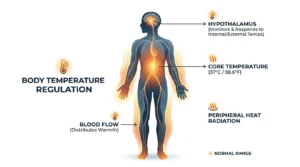
A fever is a temperature increase in your body. It is a sign that your body is fighting an illness. You have a fever when your temperature is higher than your normal average. Most doctors consider a reading of 38°C or 100.4°F to be a fever. Your body acts like a thermostat. Sometimes that thermostat resets to a higher level. This change helps your immune system kill germs.
A fever is not usually a disease itself. It is a symptom of another problem. You might feel very hot or you might feel very cold. Your body temperature changes throughout the day. It is often lowest in the early morning and it is highest in the late afternoon. You can learn more about body temperature basics at the Mayo Clinic.
Measuring Temperature Accurately
You must use a thermometer to know if you have a fever. Do not just feel your forehead with your hand. That method is not accurate. Different parts of your body give different readings. You can use a digital thermometer in several ways.
| Measurement Type | Fever Threshold |
| Rectal | 100.4°F (38°C) or higher |
| Ear (Tympanic) | 100.4°F (38°C) or higher |
| Temporal Artery | 100.4°F (38°C) or higher |
| Oral (Mouth) | 100.4°F (38°C) or higher |
| Armpit (Axillary) | 99°F (37.2°C) or higher |
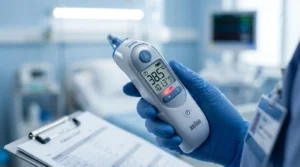
Rectal temperatures are the most accurate for infants. Ear thermometers work fast but they must be placed correctly. Temporal artery thermometers scan the forehead and they are very easy to use. Oral temperatures are common for adults and older children. You should wait thirty minutes after eating or drinking before you take an oral temperature. The Cleveland Clinic provides great guides on thermometer use.
Common Causes of High Temperature
Many things can cause your temperature to rise. Infections are the most common cause.
Viral and Bacterial Infections
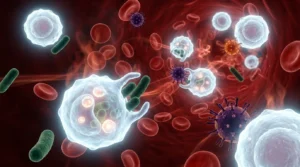
Viral infections often cause fevers. The flu and the common cold are examples of viruses. These infections usually go away on their own. Bacterial infections also cause fevers. These might include strep throat or urinary tract infections. Bacteria can infect your ear, your lungs, or your skin. They can also infect your throat, your bladder, or your kidneys. You may need antibiotics for a bacterial infection. You can read about the differences between viruses and bacteria at the CDC website.
Environmental and Physical Factors
Heat exhaustion is another cause of fever. This happens in very hot weather. Your body cannot cool itself down fast enough. Sunburn can also cause a fever. A bad sunburn inflames your skin and your temperature goes up. Some people get a fever after a vaccine. This is a normal sign that the immunization is working.
Serious Medical Conditions
Certain inflammatory conditions cause fevers. These conditions make your immune system attack your own body. Cancerous or malignant tumors can also lead to high temperatures. Sometimes a blood clot causes a fever. Blood clots are serious and they require medical help right away.
Identifying Symptoms
A fever often comes with other signs of illness. You might notice these symptoms along with a high temperature:
- Chills and sweats: You might shiver or you might sweat a lot.
- Aches: Your muscles might feel sore and weak.
- Dehydration: You lose fluids through sweat and you need to drink more water.
- Loss of appetite: You might not want to eat much.
Some symptoms mean you have a specific infection. A sore throat and nasal congestion often point to a cold. Shortness of breath is a more serious symptom. A stiff neck can be a sign of a dangerous infection called meningitis. You should call a doctor if you have a very stiff neck. Find more symptom details at WebMD.
Treatment and Home Care
You can often treat a mild fever at home. The goal is to make you feel comfortable.
Medication Options
Take paracetamol or ibuprofen to lower your temperature. These medicines help with pain and they reduce fever. You must take the appropriate dose for your age and weight. Read the label on the bottle carefully.
Important Warning: Do not give aspirin to children. Aspirin can cause a rare but serious illness in kids. Use Brufen DS or Calpol for children instead.
Home Comfort Tips
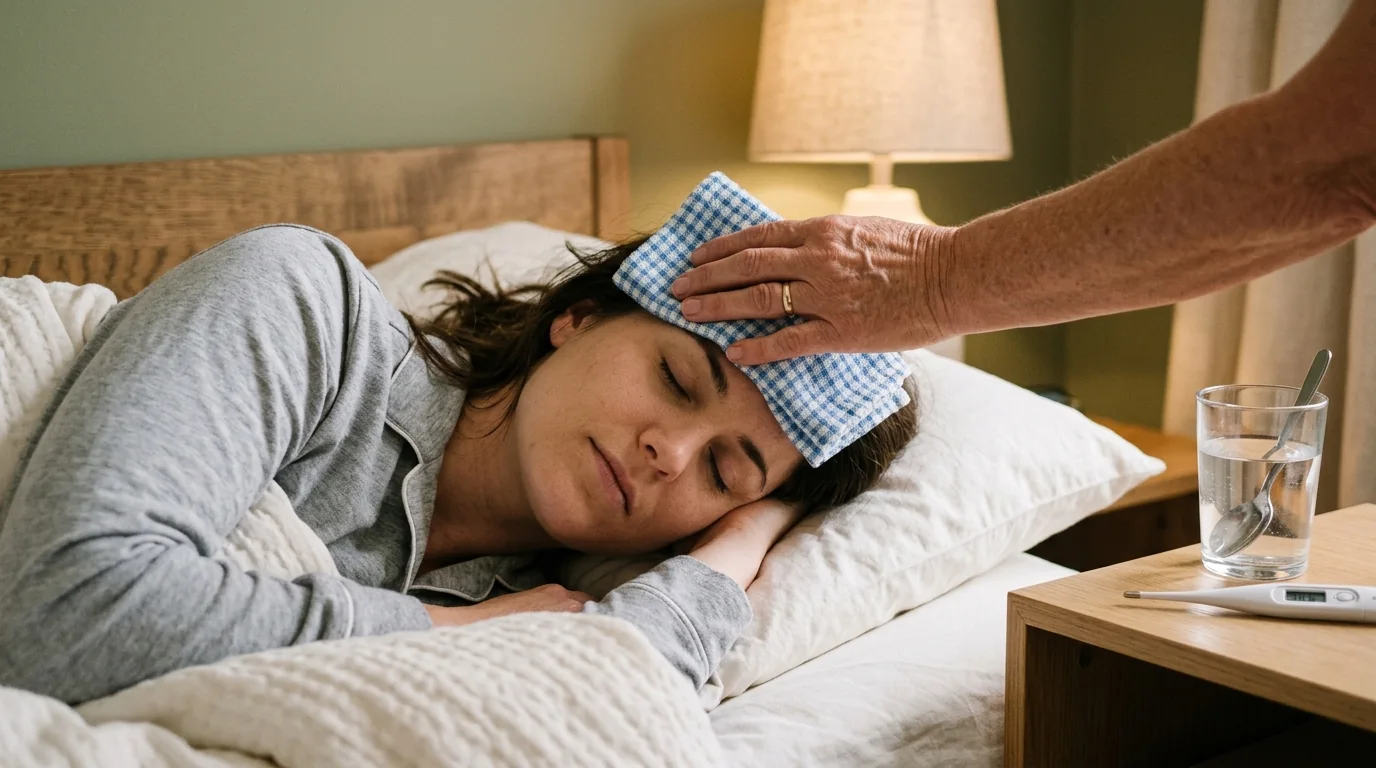
Drink plenty of fluids or water. Fever makes you sweat and you can get dehydrated easily. Avoid alcohol, tea, and coffee. These drinks can make dehydration worse. Keep your room temperature comfortable. The room should not be too cold and it should not be too hot.
You can sponge your exposed skin with tepid water. Tepid water is slightly warm but not hot. This helps cool your skin down slowly. Avoid taking cold baths or showers. Cold water can cause shivering and shivering can raise your core temperature. Wear light clothing and use a thin blanket.
When to See a Professional
Most fevers are not emergencies. You should watch for red flags though. Call a doctor if an infant has a fever. Babies under three months old need medical care for any fever.
Seek help for adults if the fever lasts more than three days. You should also seek help if the temperature is 103°F or higher. Go to the emergency room for these symptoms:
- A severe headache.
- A stiff neck and pain when you bend your head forward.
- A mental state of confusion.
- A strange skin rash.
- Difficulty breathing.
- Persistent vomiting.
The World Health Organization provides global health guidelines for managing infections.
Specialized Conditions and Fever
Sometimes a fever is a sign of a specific medical event.
Blood Clots and Inflammation
A blood clot in the leg is called deep vein thrombosis. This can cause a fever and it also causes swelling. You might see redness in one leg. Inflammatory conditions like rheumatoid arthritis cause chronic fevers. These fevers come and go over a long time.
Heat-Related Illness
Heat exhaustion is very dangerous. You might feel dizzy or you might feel sick to your stomach. Move to a cool place immediately. Drink cool water and rest. Heat stroke is even worse than heat exhaustion. Heat stroke is a life-threatening emergency.
Homeopathic Options
Some people use homeopathic treatments for fevers. You should talk to your doctor before you try these. They are not a replacement for medical care. Common homeopathic items include:
- Aconitum napellus: People use this for sudden fevers.
- Belladonna: This is often used for high, red-faced fevers.
- Arsenic album: Some use this for fevers with restlessness.
- Gelsemium: This is used for fevers with a lot of tiredness.
- Ferrum phos: People use this for the early stages of a fever.
- Nux vomica: This is used for fevers with chills.
Many scientists find that homeopathy does not work better than a placebo. You can find research on this at the National Institutes of Health. Always use proven medicine like paracetamol for dangerous fevers.
Recovery and Prevention
Your body needs rest to recover from a fever. Sleep helps your immune system work better. Stay home from work or school until your fever is gone for 24 hours. You should not use fever-reducing medicine during those 24 hours.
You can prevent many fevers by washing your hands. Wash your hands before you eat and wash them after you use the bathroom. This stops the spread of viruses and bacteria. Stay away from people who are sick. Keep your vaccinations up to date. Vaccines protect you from many diseases that cause high temperatures.
A fever is a natural tool for your body. It shows that your immune system is active. Manage your symptoms and stay hydrated. You will likely feel better in a few days.
Fact checked by:
- Dr. Mr. Muhammad Umer – (BHMS) & PhD- Nutrition
- Dr. Mr. Muhammad Adnan Iqbal – MBBS, Shandong Medical University
- Homeopathic Dr. Anum Zulfiqar Shakir – (BHMS) – Islamia University
- Mr. Muhammad Fareed – Administrator Fitness-1st