
If you’ve spent any time browsing tea shops or weight loss forums, you’ve probably come across the term “fujian diet tea.” It sounds like a specific product, but it actually points to something much older and more interesting: the oolong and green teas grown in China’s Fujian province, which have been used for centuries and are now marketed in the West as tools for managing weight.
Fujian diet tea isn’t one single tea. It’s a category, mostly made up of oolong teas grown in the Wuyi Mountains and Anxi County, along with some green teas from the same region.
So when someone mentions Fujian diet tea, they’re usually talking about traditional Fujian oolong, sold under a name that highlights its potential diet benefits rather than its origin story.
Where The Diet Tea Comes From
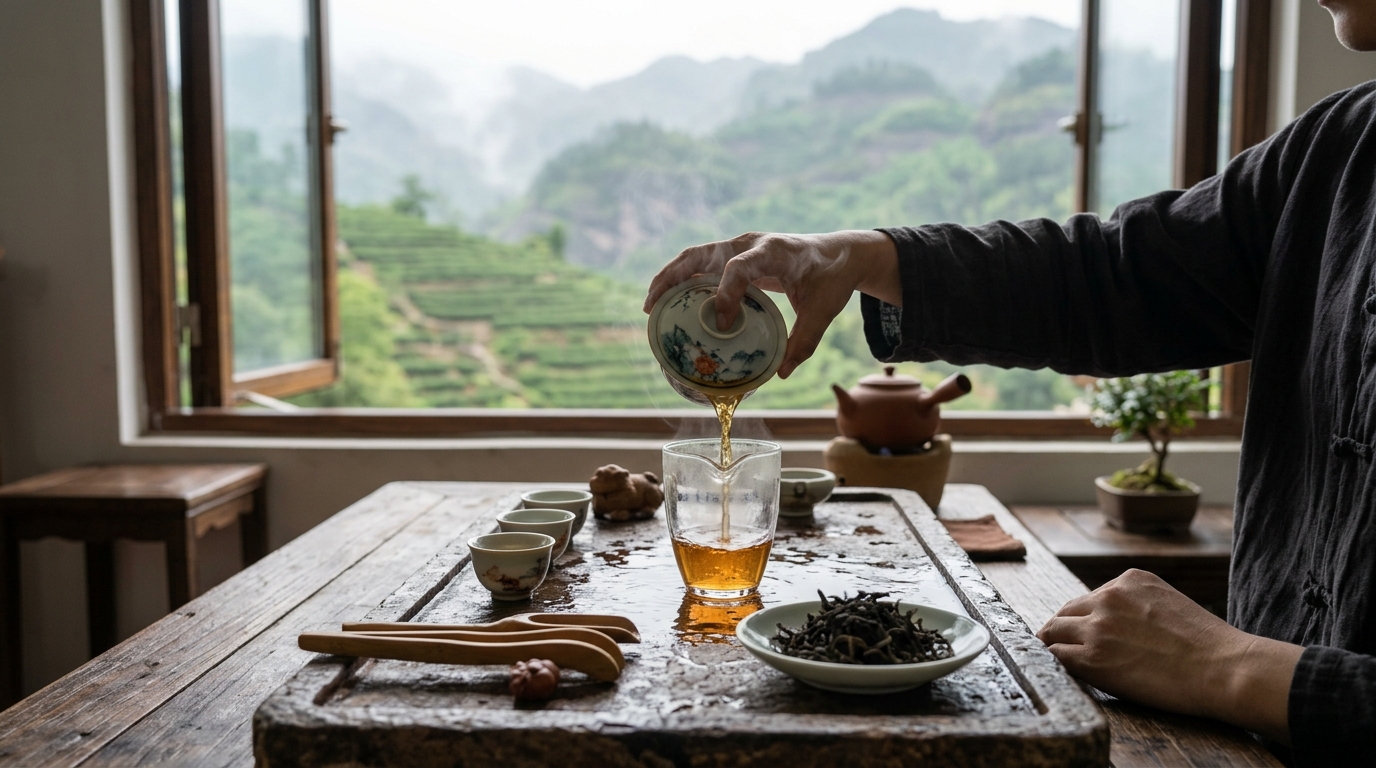
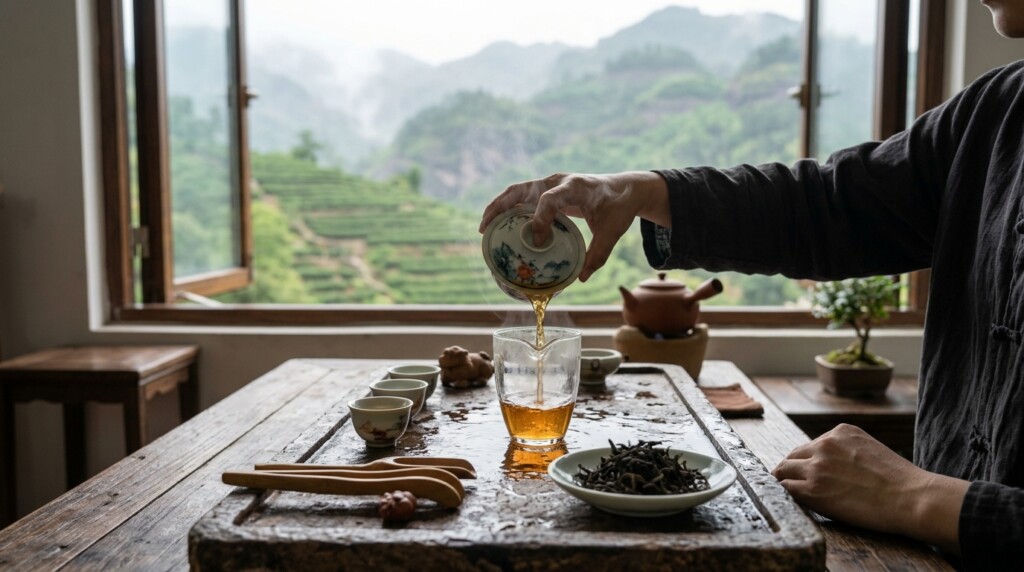
Fujian is on China’s southeastern coast, right across the strait from Taiwan. It’s mountainous, humid, and about as ideal as it gets for tea farming. The region has given the world jasmine tea, some of the finest white teas like Silver Needle, and it’s considered the birthplace of oolong tea itself. The Wuyi Mountains are a UNESCO World Heritage site and produce the famous rock oolongs. Anxi County to the south is known for Tieguanyin (Iron Goddess). Both areas are where most Fujian diet tea comes from.
The terrain matters here. Mineral-rich soil, misty mornings, and slow-growing tea bushes all contribute to the concentration of polyphenols in the leaves, and those polyphenols are a big part of why this tea gets its reputation.

The Compounds Behind Fujian Diet Tea
The reason the Diet Tea keeps coming up in weight management conversations comes down to a handful of natural compounds found in the leaves.
- Catechins, a type of polyphenol that’s been studied for its role in fat oxidation
- Caffeine, which gives a mild energy lift and can nudge the metabolism
- Theaflavins, which form during the partial oxidation process unique to oolong
- L-theanine, an amino acid that promotes a calm kind of alertness, which is part of why tea doesn’t feel as jittery as coffee
None of these compounds work in isolation. It’s the combination, plus the way oolong is processed, that gives the Tea its particular profile.
Fujian Diet Tea and Metabolism
This is the benefit most people are chasing. Several studies on oolong tea have looked at energy expenditure and fat oxidation, and the general finding is that drinking oolong can give a modest, temporary boost to how many calories your body burns and how it uses stored fat for fuel. Researchers at the University of Tsukuba in Japan, for example, found that oolong tea increased fat oxidation in ways that plain caffeine didn’t, suggesting something in the tea itself, beyond the caffeine content, is doing the work.
That doesn’t mean the Tea melts fat on its own. The effect is real but small, more of a nudge than a transformation. Think of it as one supportive habit among several, not a replacement for diet and movement.
Fujian Diet Tea and Fat Absorption
Beyond metabolism, there’s another angle worth mentioning. Some research suggests the polyphenols in oolong tea may interfere slightly with how efficiently the body absorbs dietary fat. Again, this isn’t a dramatic effect, but paired with a reasonable diet, it can add up over time.
Appetite and Portion Control
Tea drinkers often report that a warm cup of oolong between meals curbs the urge to snack. Part of this might be psychological (a ritual that fills time and occupies your hands), and part might be physiological, since the mild caffeine content can blunt hunger signals for a short window. If you’re trying to space out meals or resist mindless snacking, having a cup of Fujian diet tea on hand isn’t a bad strategy, even if the science on appetite suppression is less settled than the metabolism research.
Other Fujian Diet Tea Benefits Worth Knowing
Weight management tends to get all the attention, but Fujian diet tea brings more to the table.
Heart health. The polyphenols in oolong have been studied for their effect on cholesterol and triglyceride levels, with some research pointing to modest improvements when the tea is part of a regular routine.
Antioxidant support. Like all true teas, Fujian diet tea is loaded with antioxidants that help neutralize free radicals, which play a role in everything from skin aging to general cellular wear and tear.
Blood sugar balance. Some studies suggest oolong may help moderate blood sugar spikes after meals, which matters for anyone watching their glucose levels.
Digestive comfort. Traditionally, Fujian tea has been used to settle the stomach after heavy meals, and many people still find a warm cup soothing after eating.
How to Brew Fujian Diet Tea for Best Results
Getting the most out of fujian diet tea comes down to how you brew it. Use water just off the boil, somewhere around 195°F, rather than a full rolling boil, which can scorch the leaves and mute the flavor. Steep for two to three minutes to start, and don’t be afraid to re-steep the same leaves two or three times, since oolong tends to open up gradually and later steeps can taste just as good, sometimes better, than the first.
Loose leaf generally gives you a fresher, more complex cup than bagged tea, though a good quality bag will still deliver the core benefits.
How Much Should You Drink?
Most of the research on oolong and metabolism uses somewhere between two and four cups a day. That’s a reasonable target if you’re new to Fujian diet tea and want to build a habit around it. Because it does contain caffeine, roughly 30 to 50mg per cup depending on steep time, it’s worth paying attention to how your body responds, especially later in the day.
A Few Things to Keep in Mind
Fujian diet tea is a genuinely healthy addition to most routines, but it’s not magic, and it’s worth going in with realistic expectations.
- It works best alongside a balanced diet and regular activity, not as a substitute for either
- The caffeine content can affect sleep if you drink it too late in the day
- People who are pregnant, sensitive to caffeine, or managing certain health conditions should check with a doctor before making it a daily habit
- Quality varies a lot between brands, so sourcing genuine Fujian-grown oolong makes a real difference in both flavor and the concentration of beneficial compounds
Used thoughtfully, Fujian diet tea is a pleasant, low-calorie habit that fits naturally into a health-conscious lifestyle. It won’t do the work for you, but it can make the work a little easier.