
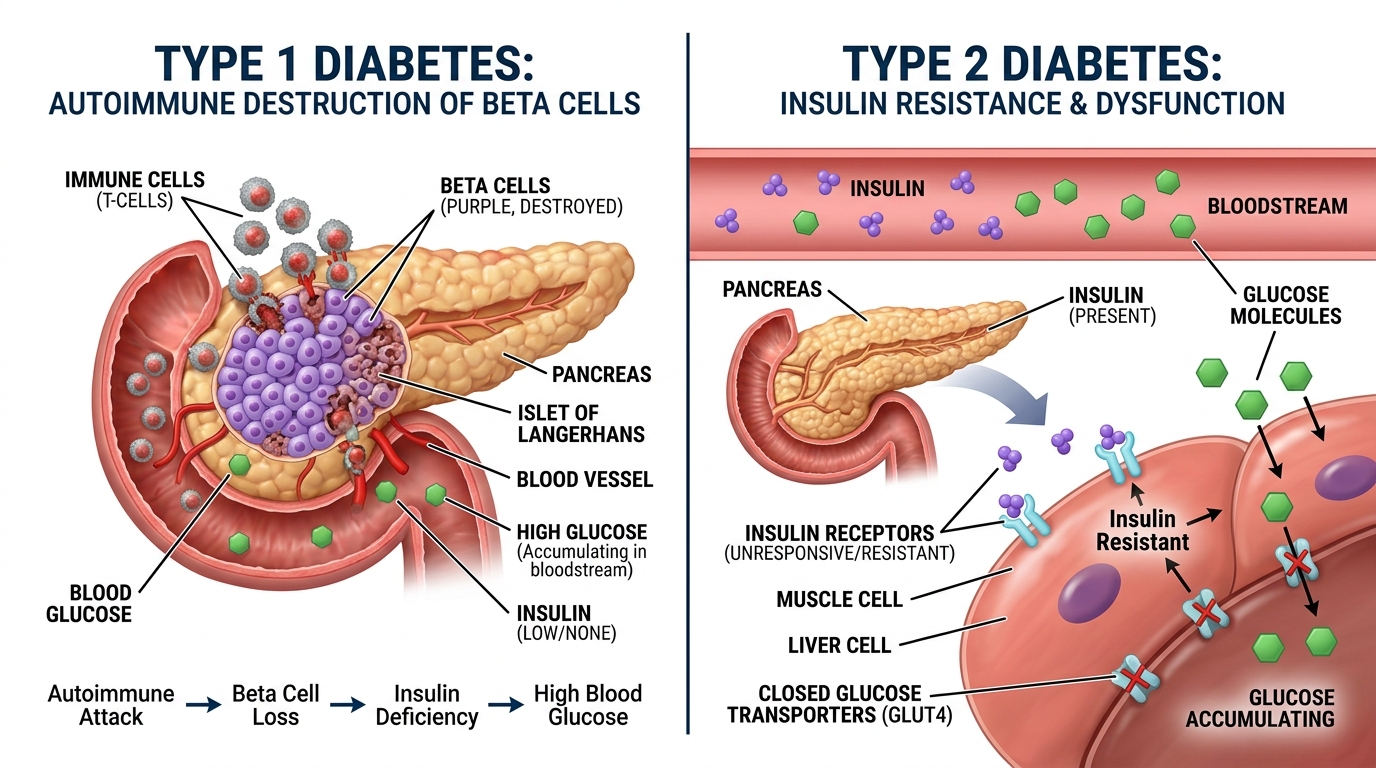
Diabetes mellitus represents a group of metabolic diseases characterized by high blood sugar levels over a prolonged period. This condition occurs when the body either cannot produce enough insulin or cannot effectively use the insulin it produces. Insulin is a hormone that regulates blood sugar. Without it, glucose stays in the blood instead of reaching the cells. Over time, high glucose levels can lead to serious health complications.
Global Impact and Symptoms
Diabetes is a highly increasing disease around the globe. Identifying the symptoms early is critical for management. General symptoms often include increased hunger and increased thirst. Patients frequently report unintentional weight loss and frequent urination. Other indicators include blurry vision and extreme fatigue. Some individuals may notice sores that do not heal properly.

Symptoms can also vary by gender. Men with diabetes may experience a decreased sex drive and poor muscle strength. Women may face different challenges, such as frequent urinary tract infections, yeast infections, and dry, itchy skin.
The Three Main Types of Diabetes
Medical professionals recognize three primary types of this condition.
Type 1 Diabetes
Type 1 diabetes is also known as juvenile diabetes or insulin-dependent diabetes. It is a chronic condition where the pancreas produces little to no insulin. This occurs when the body’s own immune system destroys the insulin-producing beta cells in the pancreas. It is primarily diagnosed in children and young adults. Only about 5% of people with diabetes have this specific type. Because it is an immune system issue, Type 1 is not currently preventable.
Type 2 Diabetes
Type 2 diabetes is the most common form, accounting for approximately 90% of all cases. In this condition, the body produce insulin but does not use it properly. It is often referred to as adult-onset diabetes. While the symptoms like thirst and tiredness are similar to Type 1, the long-term risks are significant. Untreated Type 2 diabetes increases the risk of serious problems with the eyes, heart, kidneys, and nerves.
Gestational Diabetes
Gestational diabetes occurs specifically during pregnancy. It is caused by insulin-blocking hormones produced by the placenta. While blood glucose levels usually return to normal after the baby is born, the mother remains at a higher risk of developing Type 2 diabetes later in life.
Acute Conditions: Hypoglycemia and Hyperglycemia
Managing diabetes involves balancing blood sugar to avoid two dangerous extremes.
Hypoglycemia (Low Blood Sugar)
Hypoglycemia occurs when blood glucose drops below normal levels, typically defined as 70 mg/dL or lower. Causes include eating too little food, taking too much insulin, or excessive diabetic medicine. It is diagnosed via a blood test.
Symptoms of hypoglycemia include:
-
Anxiety
-
Dizziness
-
Fast heartbeat
-
Headache
-
Hunger and irritability
To treat low blood sugar, patients should consume 15 to 20 grams of carbohydrates. Examples include half a glass of juice, a quarter glass of soft drink, or glucose tablets.
Hyperglycemia (High Blood Sugar)
Hyperglycemia is a condition where an excessive amount of glucose circulates in the blood plasma. It can be caused by eating too much food, taking too little insulin, illness, or stress. The onset is often slow, but it can lead to a medical emergency if ignored. If glucose levels rise above 240 mg/dL, action is required.
Symptoms of hyperglycemia include:
-
Stomach pain
-
Extreme thirst
-
Frequent need to urinate
Treatment involves drinking plenty of sugar-free fluids like water. Patients must consult a medical advisor to adjust medicine doses and identify foods that cause sugar spikes.
Diagnosis and Screening

Doctors use several blood tests to diagnose diabetes and prediabetes.
- Fasting Plasma Glucose (FPG) Test: Measures sugar after an 8-hour fast.
- A1C Test: Provides a snapshot of average blood sugar over the previous three months.
- Glucose Challenge Test: Measures sugar one hour after consuming a sugary liquid.
- 3-Hour Glucose Tolerance Test: Used for gestational diabetes, involving an overnight fast followed by sugar consumption and periodic checks.
Prevention and Lifestyle Management
While Type 1 cannot be prevented, Type 2 can often be managed or delayed through lifestyle choices.
- Exercise: Aim for at least 150 minutes per week of aerobic activity, such as walking or cycling.
- Dietary Quality: Increase intake of fruits, vegetables, and whole grains.
- Portion Control: Eat smaller portions to manage calorie intake.
- Weight Loss: Overweight individuals should try to lose 7% of their body weight.
Treatment Strategies
Treatment depends on the type of diabetes diagnosed.
Insulin Therapy
Insulin is the primary treatment for Type 1 diabetes. There are four common types of insulin:
- Rapid-acting: Works in 15 minutes and lasts 3 to 4 hours.
- Short-acting: Works in 30 minutes and lasts 6 to 8 hours.
- Intermediate-acting: Works in 1 to 2 hours and lasts 12 to 18 hours.
- Long-acting: Works a few hours after injection and lasts 24 hours or longer.
For gestational diabetes, about 10 to 20 percent of women will require insulin. This treatment is safe for the growing baby.
Type 2 Management
Many people can manage Type 2 diabetes through diet and exercise alone. However, if lifestyle changes are insufficient, oral medications or insulin may be prescribed.
Nutrition and Diet

Dietary management is a cornerstone of diabetic care.
- Type 1 Diet: Focuses on balancing carbohydrate intake with insulin doses. Medical teams may recommend limiting total daily carbs.
- Type 2 Diet: Emphasizes carb counting and healthy food choices. Recommended foods include fruits, vegetables, whole grains, and lean proteins like poultry and fish.
Effective self-care involves learning the skills to check blood sugar regularly, take medicine as directed, and stay active. This educational support helps patients work with their healthcare teams to lead healthier lives. This content was reviewed by Dr. Muhammad Umer, PhD in Food & Nutrition from the University of Lahore.
Fact checked by:
- Dr. Mr. Muhammad Umer – (BHMS) & PhD- Nutrition
- Dr. Mr. Muhammad Adnan Iqbal – MBBS, Shandong Medical University
- Homeopathic Dr. Anum Zulfiqar Shakir – (BHMS) – Islamia University
- Mr. Muhammad Fareed – Administrator Fitness-1st